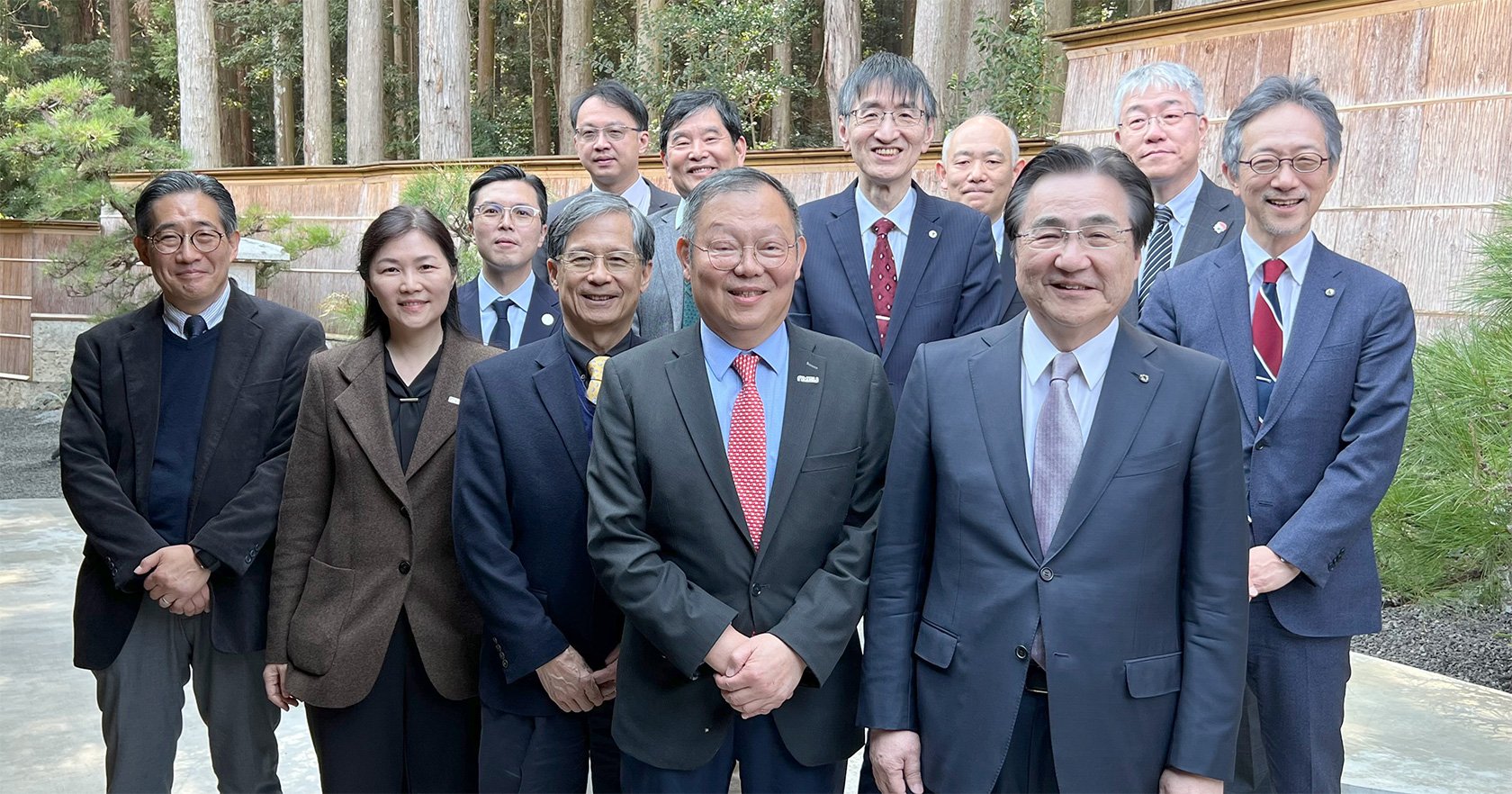
Tohoku University and National Yang Ming Chiao Tung University (NYCU) have taken a significant step towards deepening Japan-Taiwan collaboration in the semiconductor sector, hosting a co-creation conference on March 19 aimed at advancing joint innovation in the global chip industry.
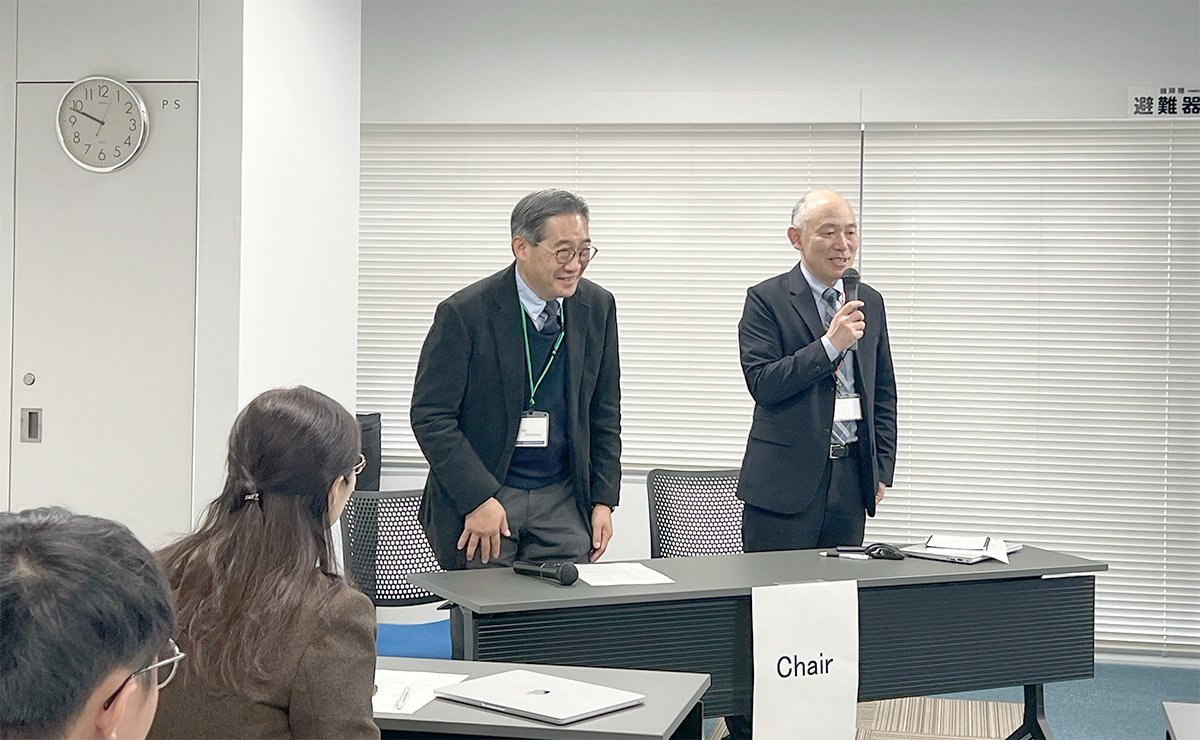
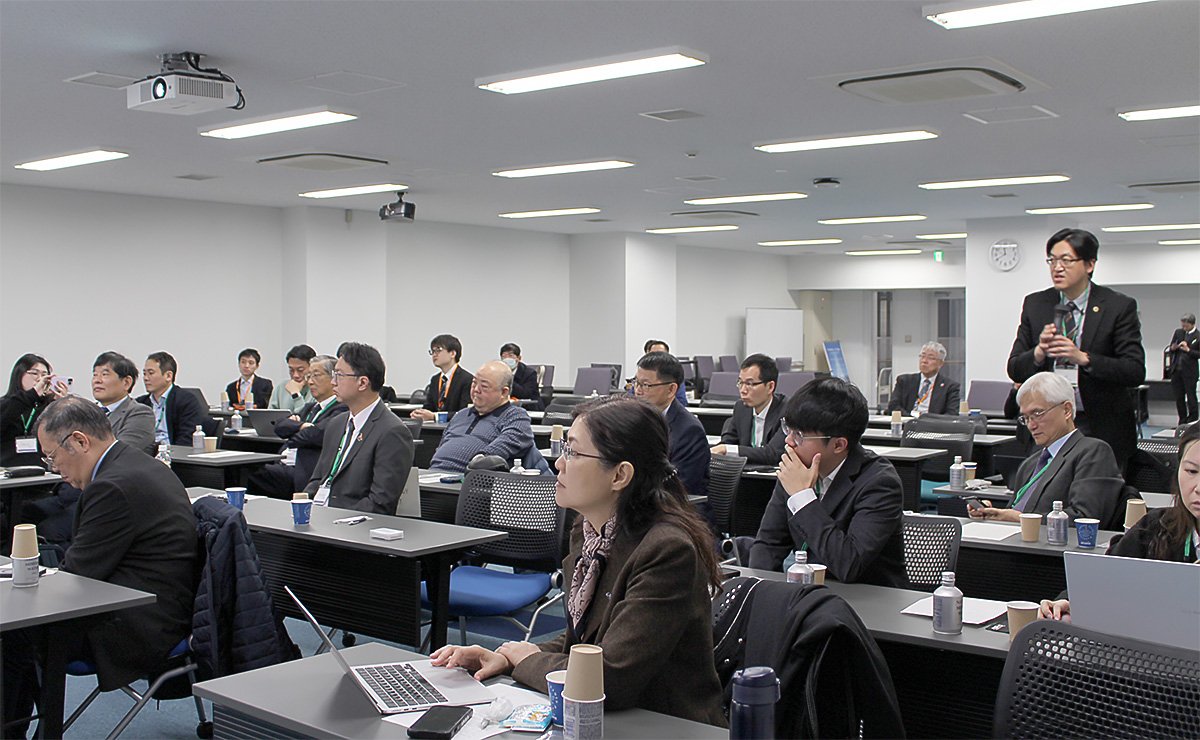
Held at the Advanced Institute for Materials Research (AIMR) on Tohoku University's Katahira campus, the day-long event brought together leading academics and industry experts to develop an action-oriented framework for bilateral cooperation.
At the heart of discussions was a growing shift in how nations approach semiconductor development. Rather than attempting to replicate entire supply chains domestically, participants emphasized the importance of identifying strategic entry points within an increasingly interconnected global ecosystem. This approach reflects the reality that success in modern semiconductor production depends on the interplay between foundries - which specialize in contract manufacturing - and fabless companies focused on chip design.
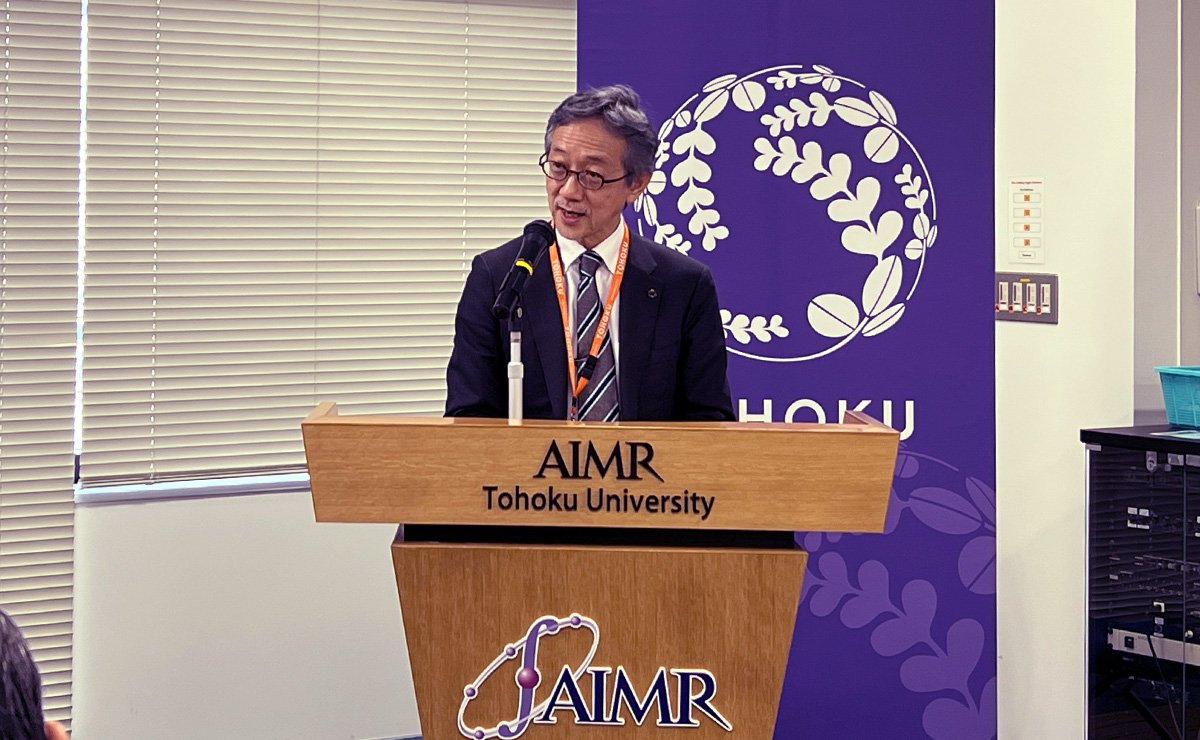
In his opening remarks, Tohoku University Vice President for Global Engagement Masahiro Yamaguchi highlighted the widening strategic importance of the field.
"Semiconductors are no longer only the concern of individual institutions or companies," he said. "They are now a priority for entire countries and regions." He added that, in an era of growing international specialization, collaboration between NYCU's manufacturing ecosystem and Tohoku University's strengths in research and applications could yield globally significant outcomes.
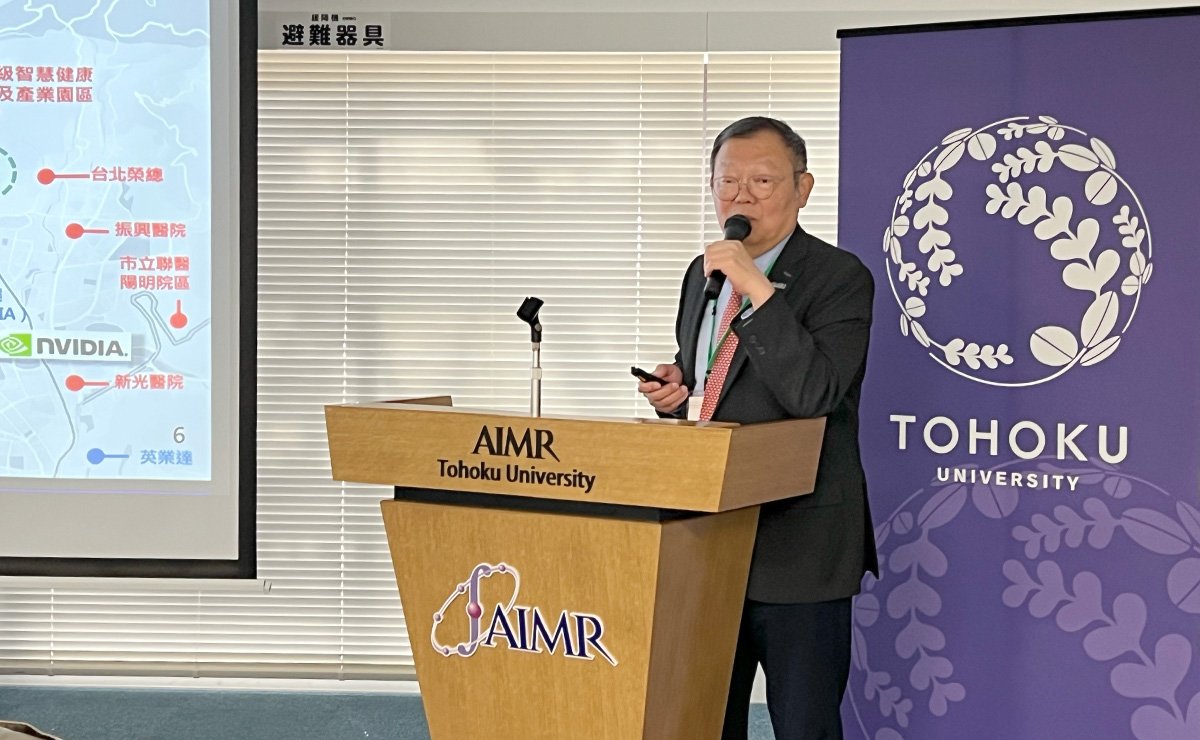
NYCU President Lin Chi-Hung echoed this perspective, stressing that future advances in semiconductor technology will depend on close coordination between academia, industry and government.
The conference was organized around three thematic sessions, each addressing a distinct dimension of collaboration. The morning session focused on Taiwan's experience in building a world-leading integrated circuit design ecosystem.
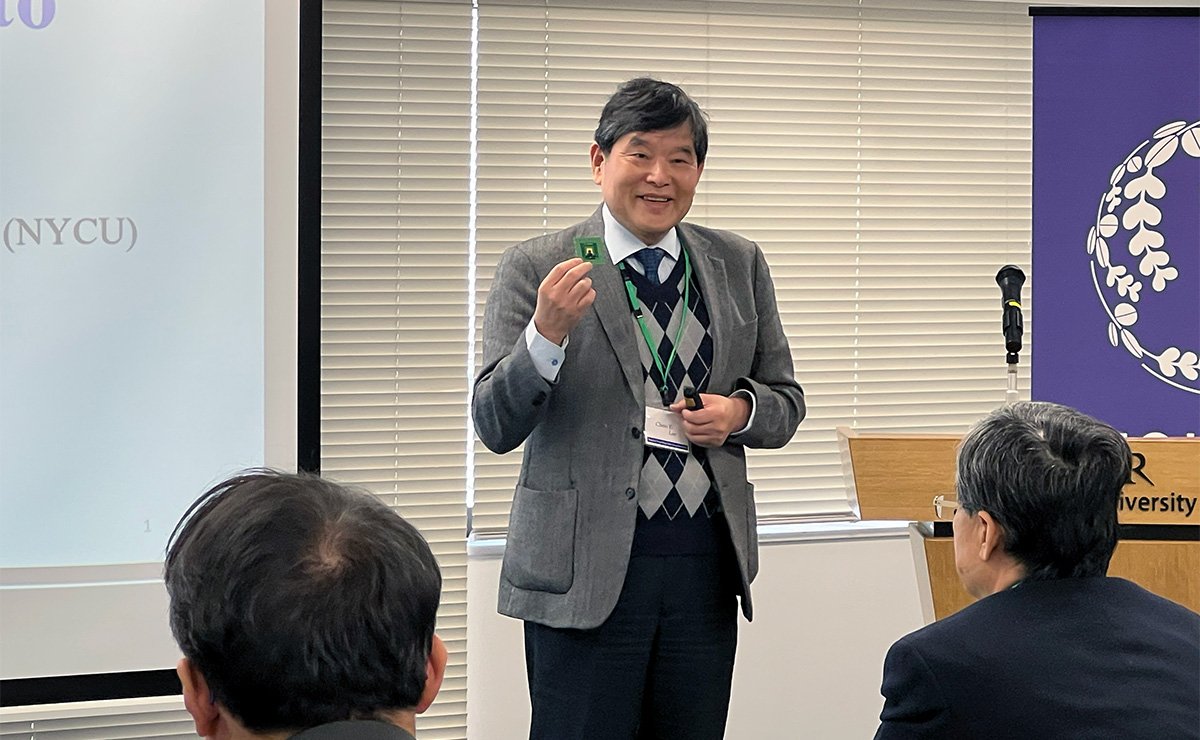
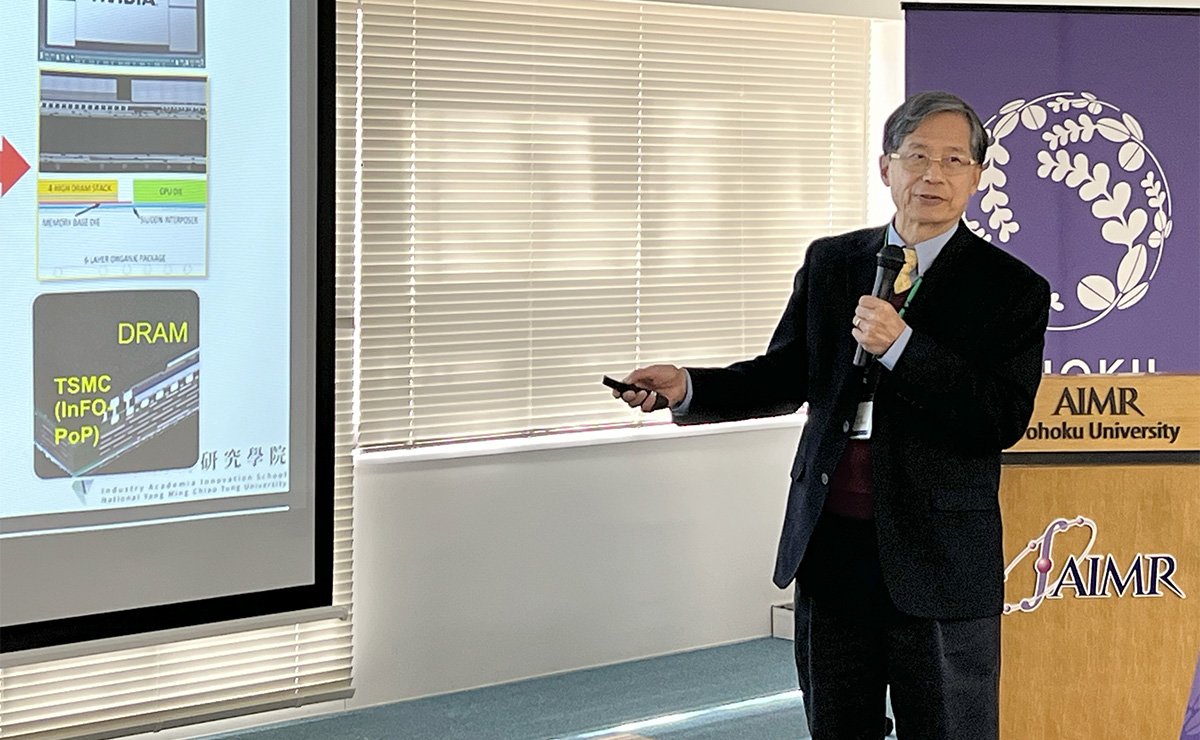
Professor Lee Chen-Yi, a former NYCU senior vice president and founder of Taiwan's National Chip Implementation Center, outlined the strategic decisions underpinning its development. Industry expert Jack Sun complemented this with practical insights into how universities can translate training programs into effective product teams and start-ups. Contributions from Tohoku University professors Masami Nakajima and Noriharu Suematsu provided a Japanese perspective, identifying elements of Taiwan's model that could be adapted locally.
Attention then shifted in the afternoon to more specialized technical challenges.
The second session examined advanced-node chip design, with particular focus on a persistent training gap, even within Taiwan's mature semiconductor sector. As manufacturing processes evolve rapidly, typically advancing every 18 months, newly trained engineers often require up to two years of additional preparation before reaching full productivity. Yung Wu of SiCADA led discussions on potential solutions, including curriculum design, improved access to industry-standard workflows, expanded laboratory training and certification frameworks.
The final session addressed legacy-node semiconductor technologies, which remain essential for applications such as power management, analog and mixed-signal systems, automotive components and industrial devices.
Participants highlighted the challenge of transitioning these capabilities from traditionally closed integrated device manufacturer models to more open, customer-oriented systems that better connect fabless designers with foundry services.
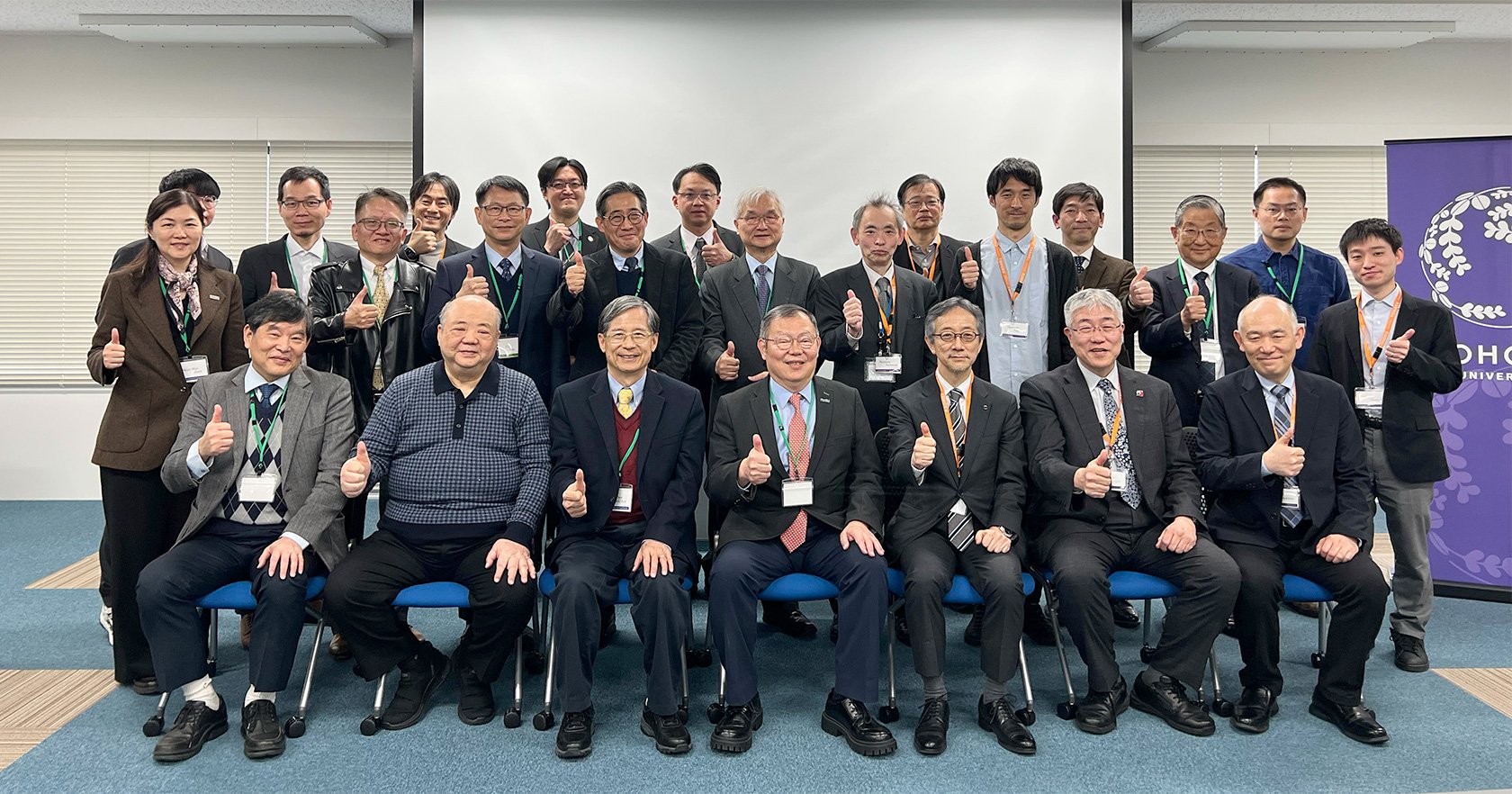
The conference concluded with a joint statement reaffirming both institutions' commitment to translating dialog into concrete action. Emphasis was placed on building a comprehensive ecosystem encompassing talent development, design innovation, technological advancement and sustained collaboration. "We hope this conference marks the beginning of a more structured and enduring partnership between Japan and Taiwan in this field," said Nakajima.
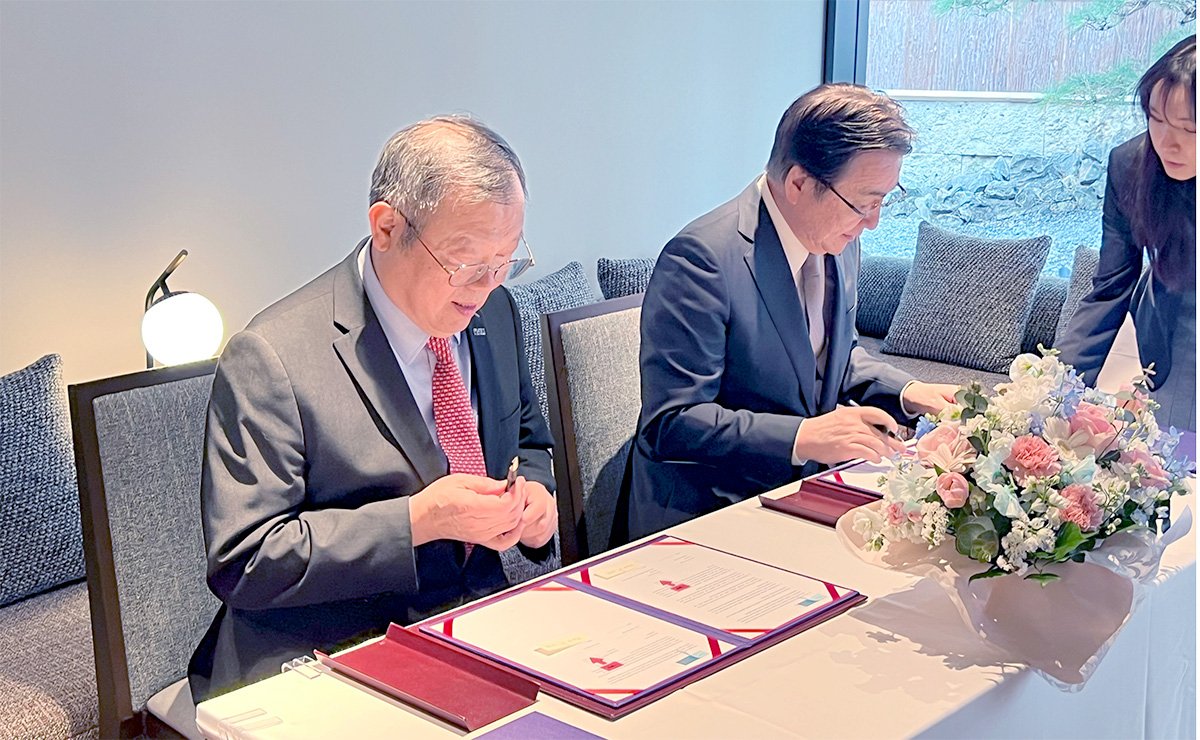
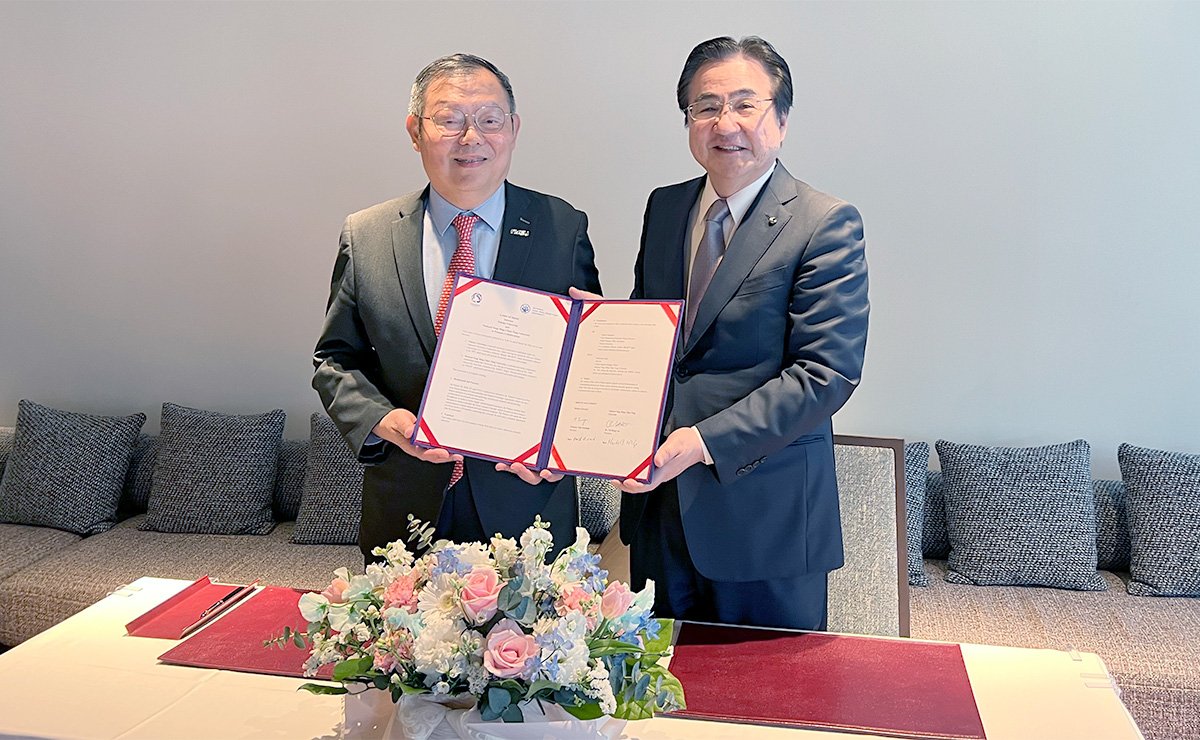
The conference followed the signing - one day earlier - of a Letter of Intent between Tohoku University and NYCU formalizing the partnership. Alongside a renewed five-year Memorandum of Understanding, the agreement introduces a "Joint Campus Concept" centered on semiconductor education and research.
Both universities will spend the next six to 12 months refining this initiative, with the aim of establishing a long-term platform for cross-border collaboration in one of the world's most strategically important industries.

Contact:
Tohoku University Global Strategy Office
Tel: +81 22-217-6311
Email: kokusai-r grp.tohoku.ac.jp