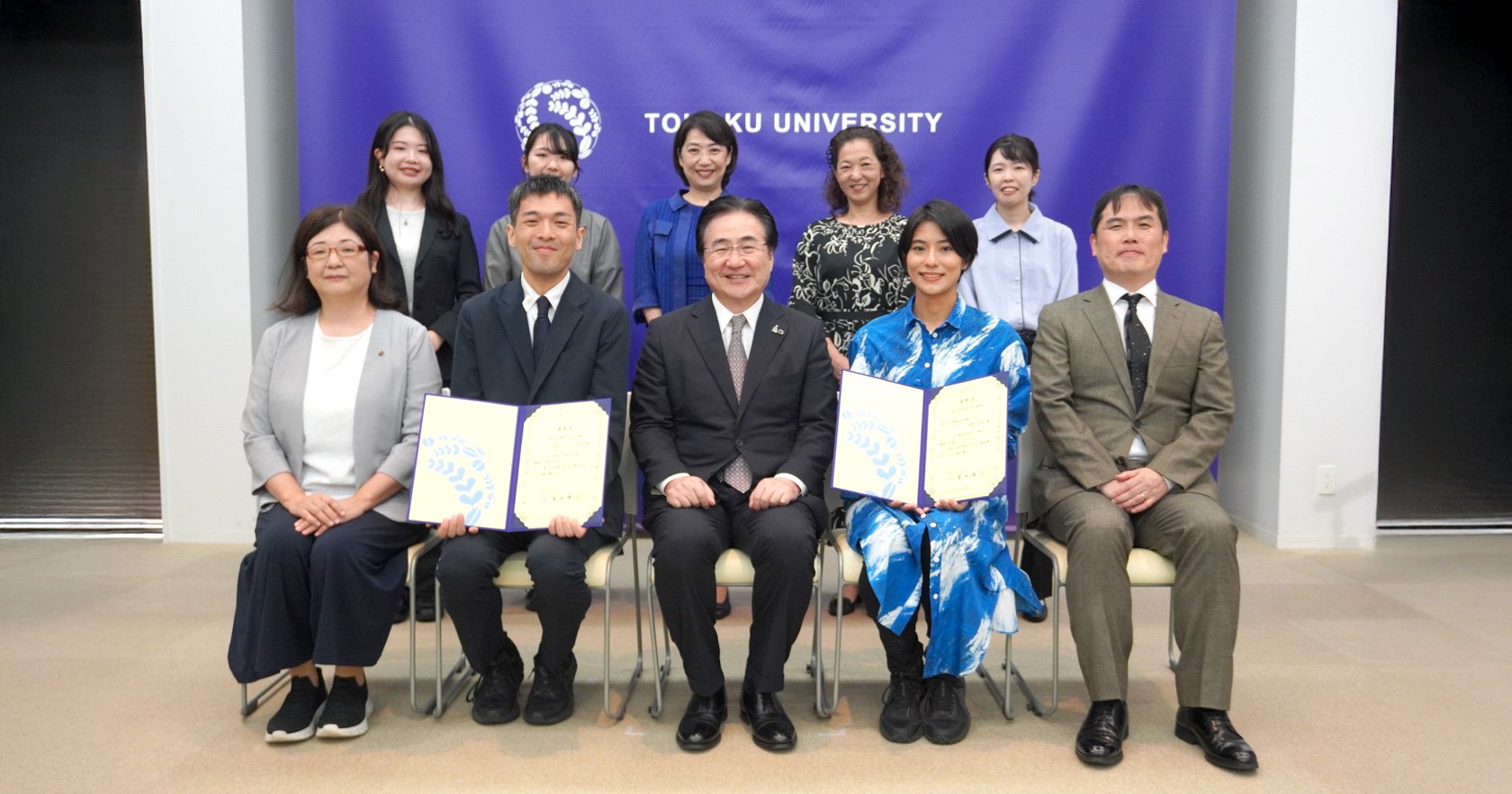
Tohoku University presented the 13th Masataro Sawayanagi Memorial DEI Awards at a ceremony held on Katahira Campus on October 1. Named after the university's first president, the awards recognise individuals and organisations who are making significant contributions to DEI through research, education and social activities.
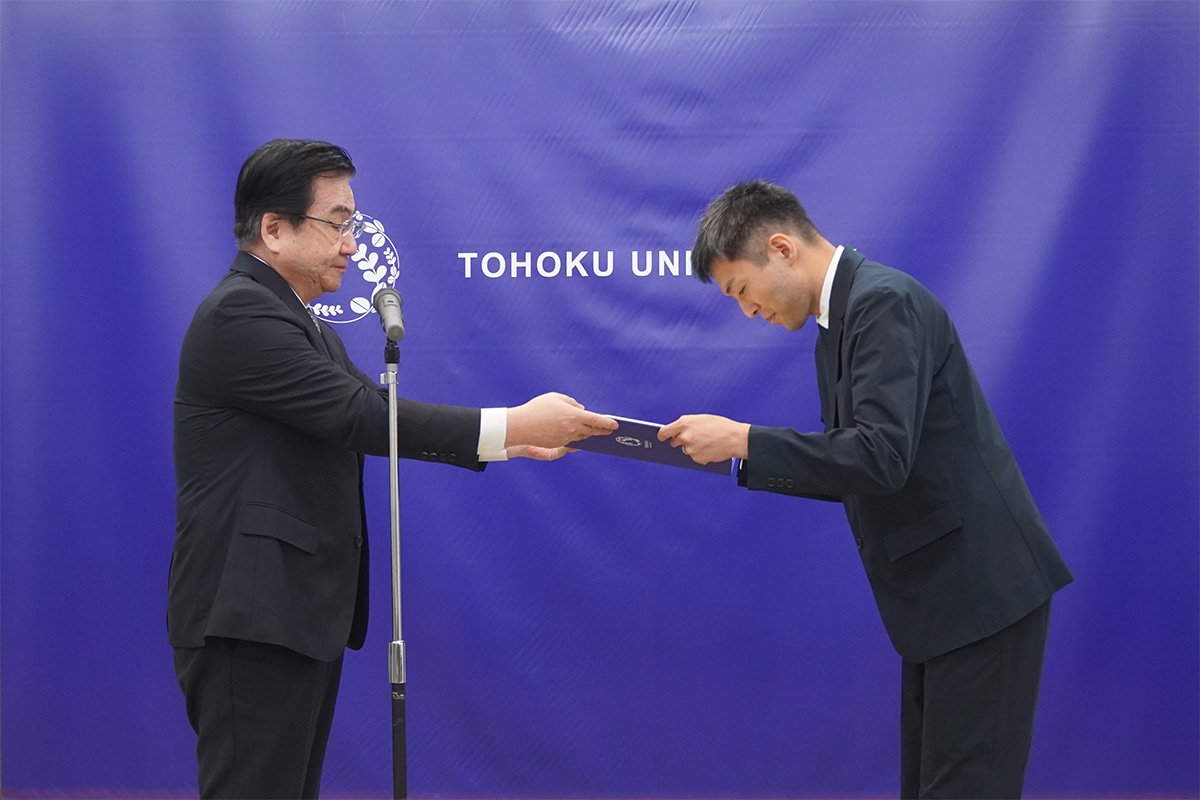
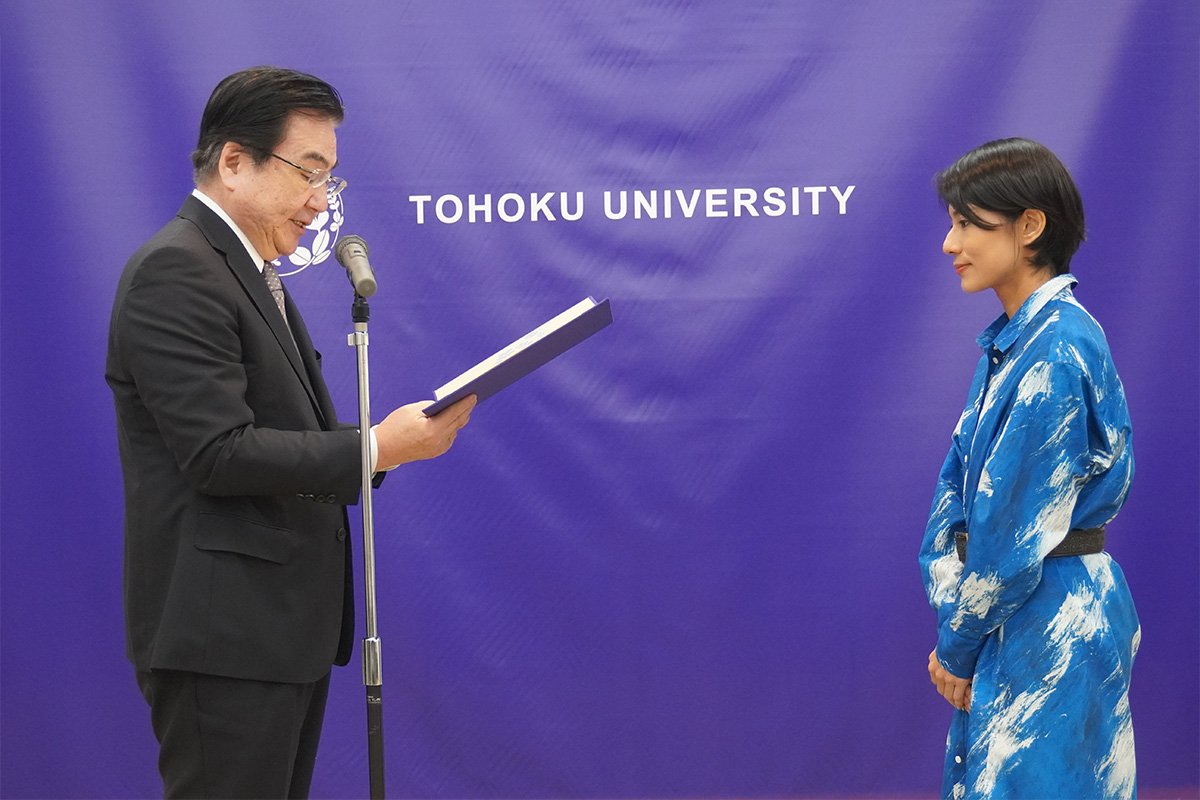
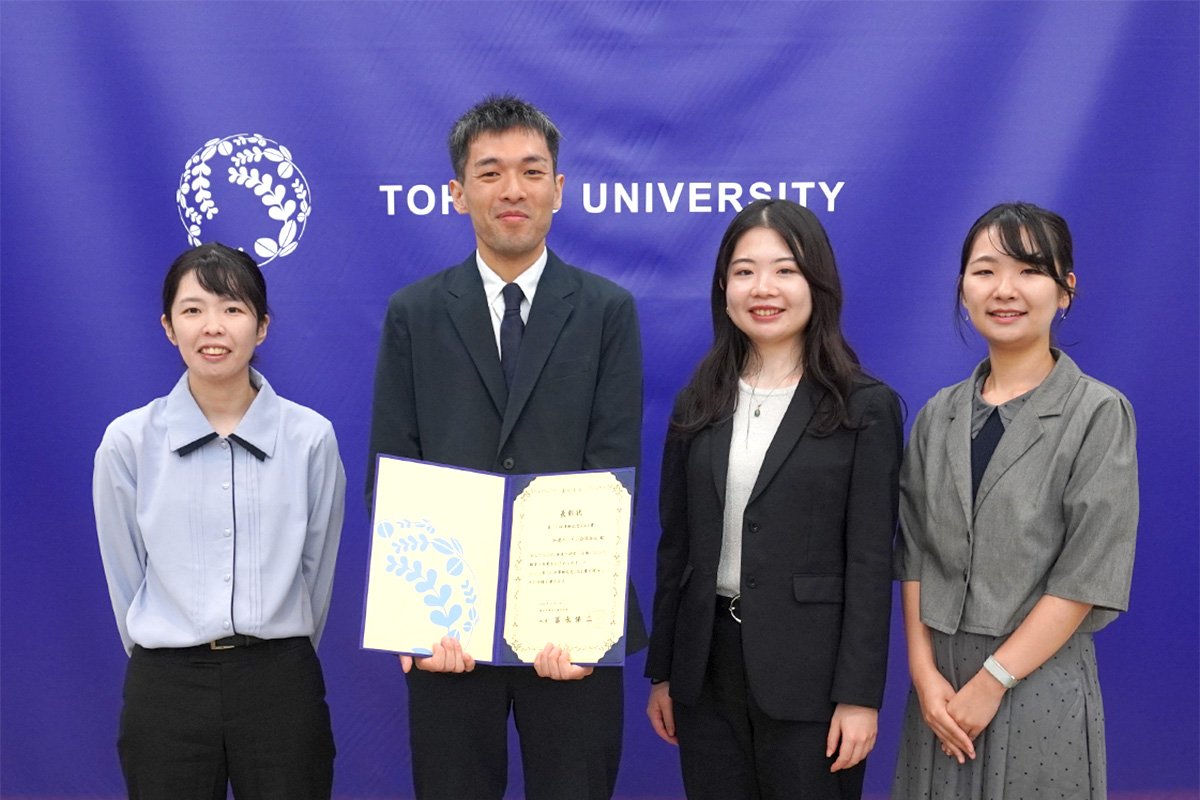
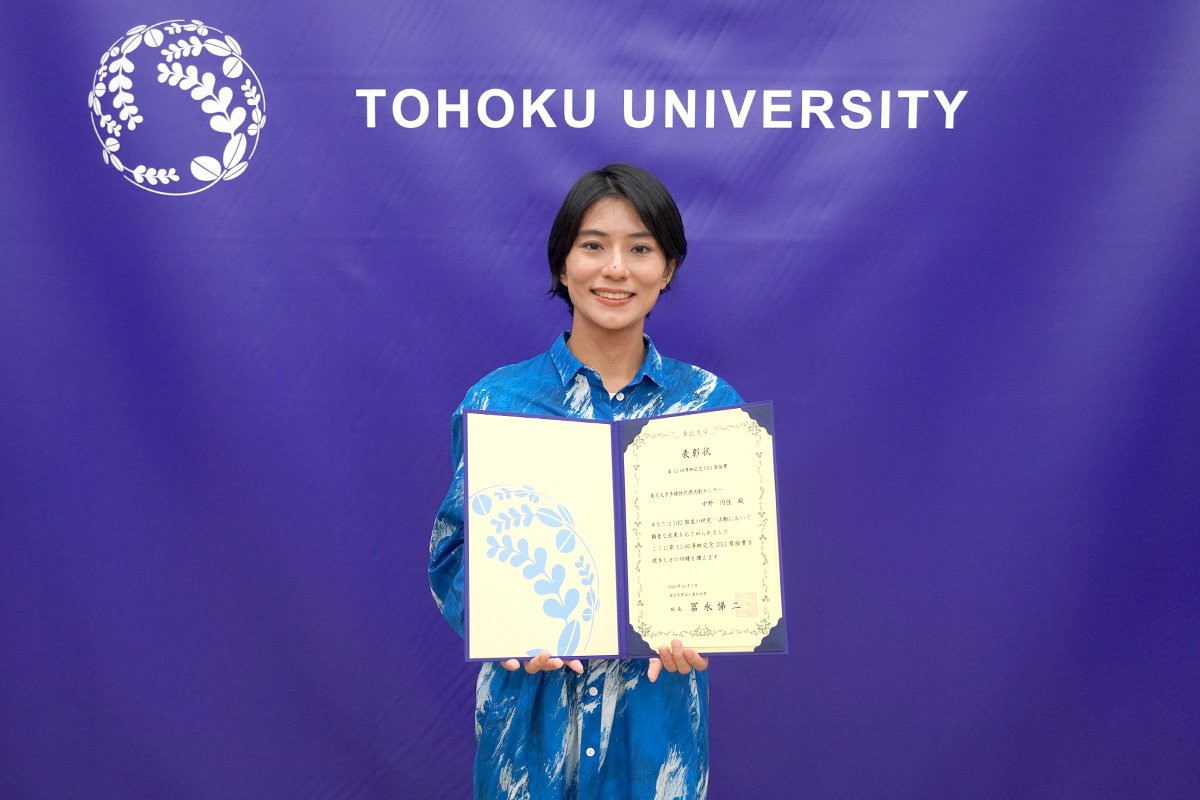
This year's recipients were Accel Kitchen, an educational initiative that connects university researchers with teenagers exploring particle physics, and Madoka Nakano, associate professor and deputy director of the University of Tokyo's Centre for Coproduction of Inclusion, Diversity and Equity (IncluDE).
In his congratulatory remarks, President Teiji Tominaga highlighted Tohoku University's long-standing commitment to inclusion through its "open door" policy. In 1913, the university became the first in Japan to admit female students.
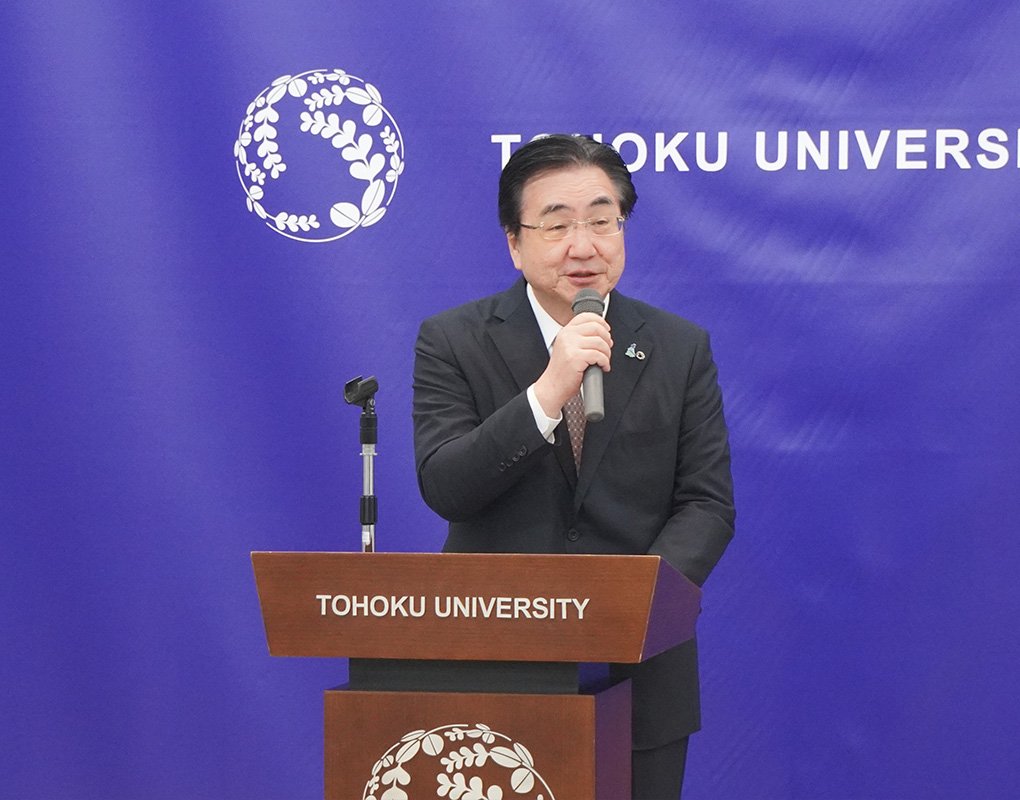
"Two years ago, upon our designation as a University for International Research Excellence, we set the goal of becoming a 'Campus for Aspiring Minds,' an environment that can attract researchers from around the world," he said. "Going forward, we will continue to bring together diverse forms of knowledge, create new values and take on challenges that will improve quality of life for everyone."
The awards are presented in two categories. Category A, the main award, recognises outstanding contributions to DEI through research and social activities. This year's winner, Accel Kitchen, was represented by founding partner Kazuo Tanaka, an associate professor at Waseda University's Research Institute for Science and Engineering.
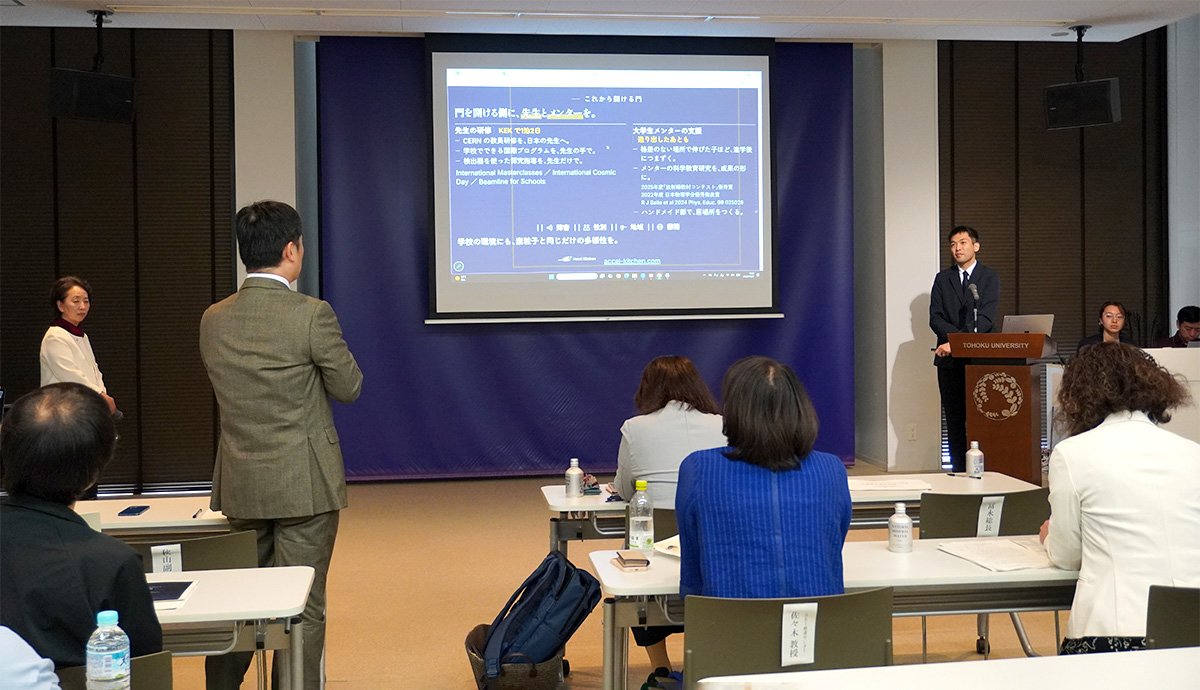
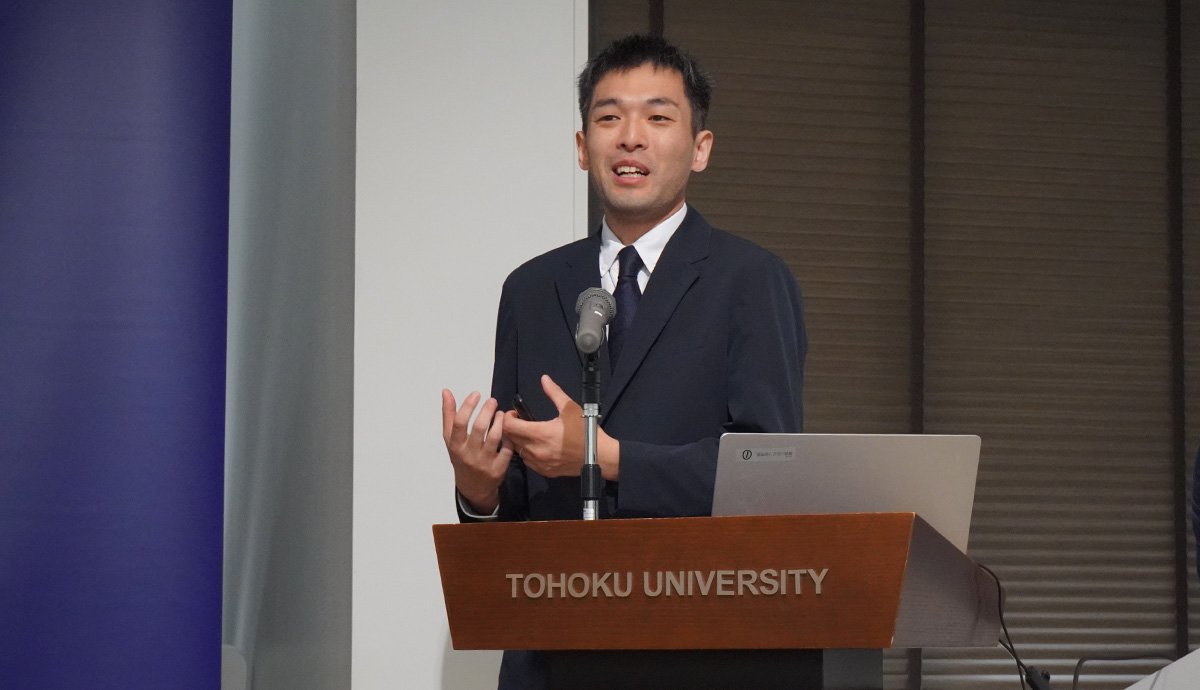
Tanaka explained that Accel Kitchen's mission is to give junior and senior high school students opportunities to explore "the world of the cosmos, particles and radiation through their own efforts". The organisation also connects students with researchers and citizen-science projects, both in Japan and overseas.
"I believe that many young students want to touch the particle physics field," he said. "When I was a child, I was very curious about why and how the universe was born. If young students now can measure or do experiments at home themselves, I think it will really inspire them to want to learn more in the future."
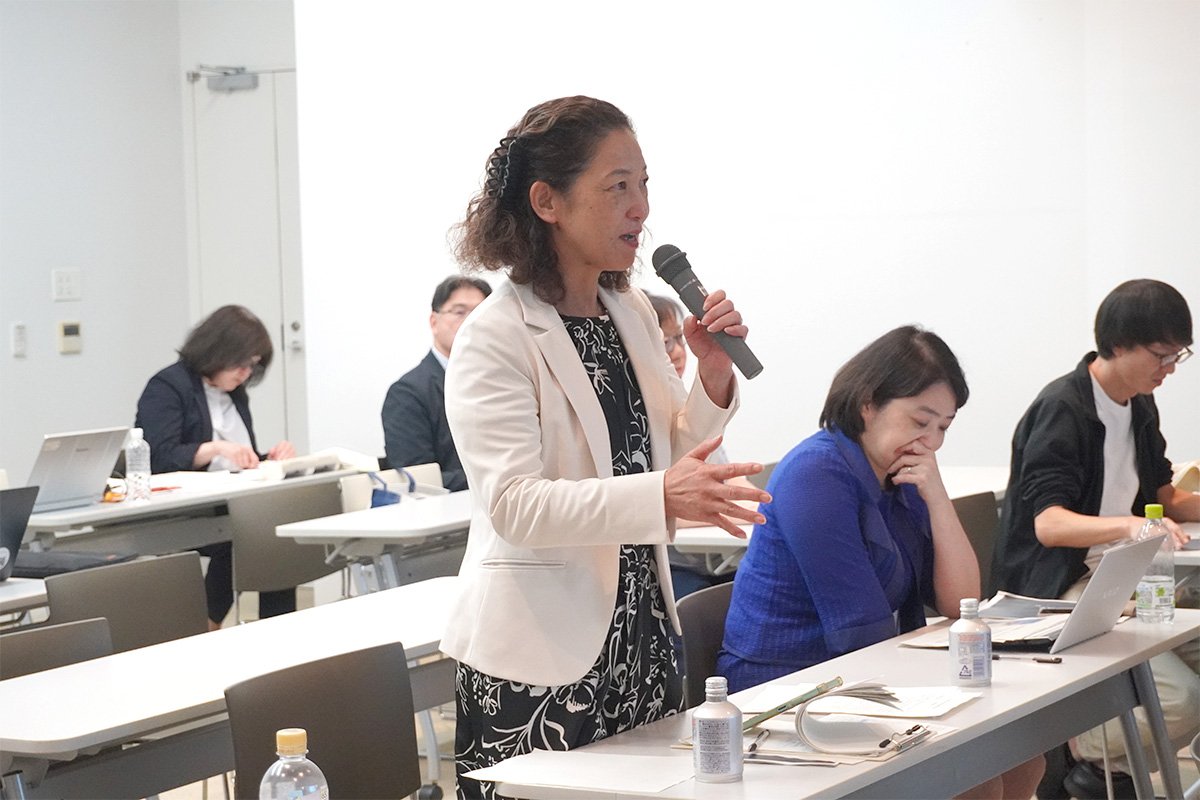
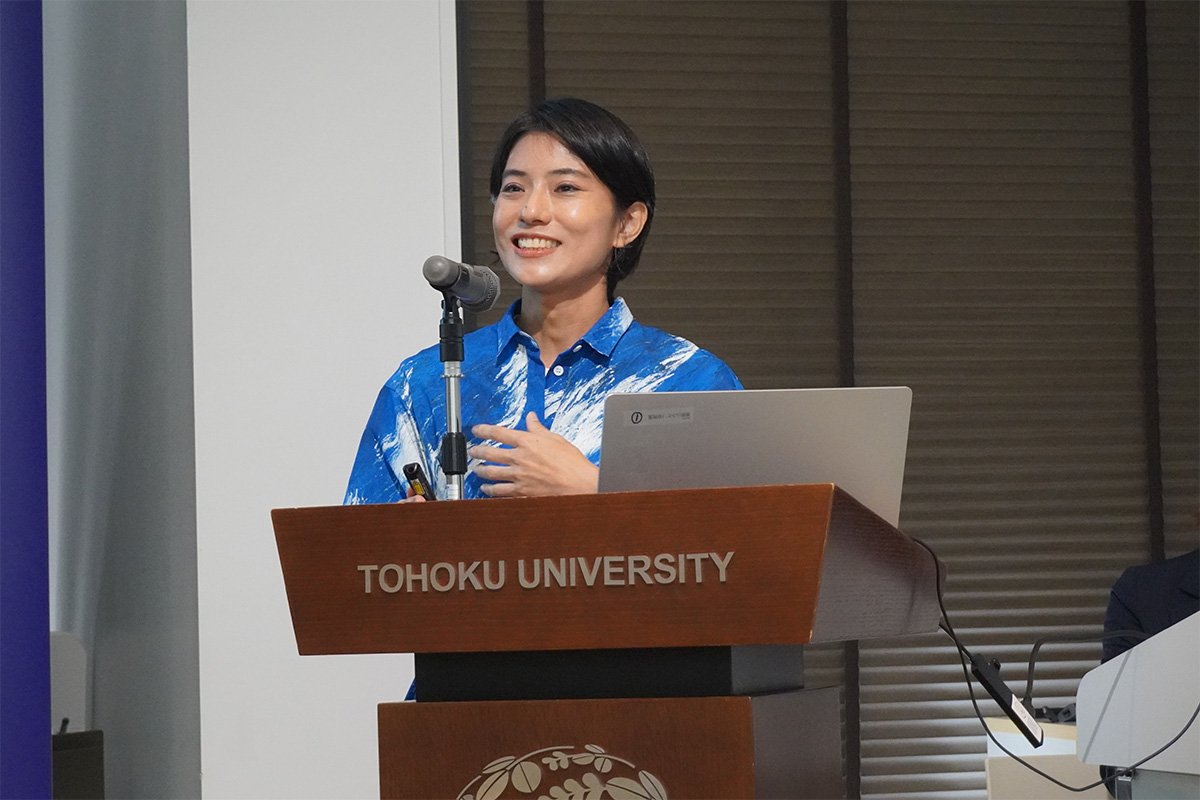
Category B, the Masataro Sawayanagi DEI Encouragement Award, recognises young individuals and groups making significant contributions to DEI. In her presentation, this year's recipient, Nakano, introduced her book, 'Why the Number of Female Researchers in Japan Isn't Increasing,' which documents the experiences of women who have left academia, as well as those of female graduate students and researchers.
"Through my work at IncluDE, I am engaged in activities that prioritise the voices of those directly affected, from the perspectives of accessibility and gender equality," she said. "This has brought to light the experiences of those who are minorities within universities and highlighted the challenges facing Japanese academia."

Nakano said she hopes the book will not only resonate with women but also encourage those in positions of authority, particularly men, to better understand the experiences women encounter in academic environments.
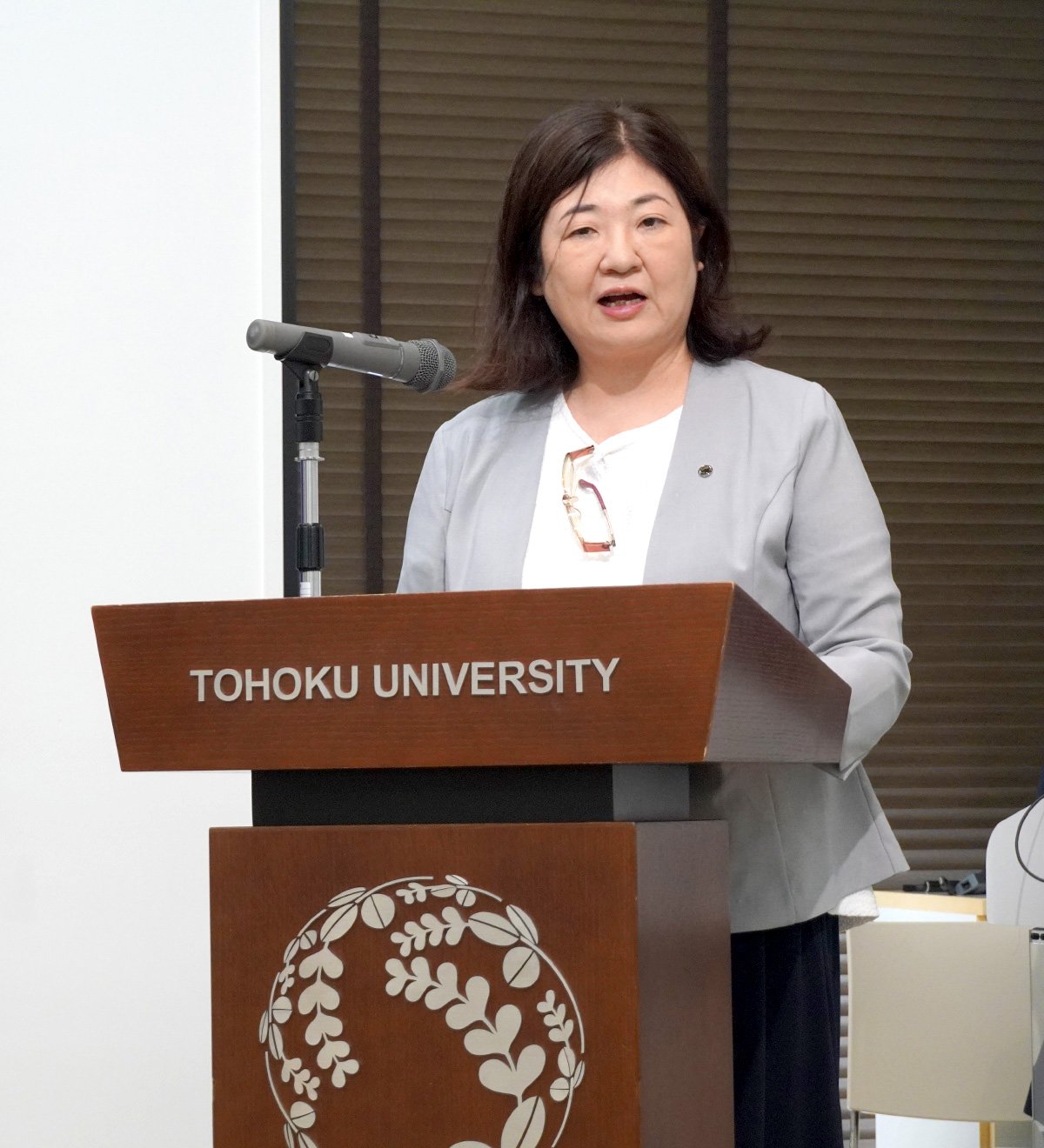
The ceremony concluded with remarks from Professor Mami Tanaka, director of the Tohoku University DEI Centre, and a casual networking and talk session for the participants.
For more information about the Masataro Sawayanagi Memorial DEI Awards, Sawayanagi Fellows, Science Ambassadors and other programmes and events organised by the DEI Centre, visit the Tohoku University DEI Centre website.
Contact:
Tohoku University DEI Promotion Office
Tel: 022-217-6353
Email: dei grp.tohoku.ac.jp