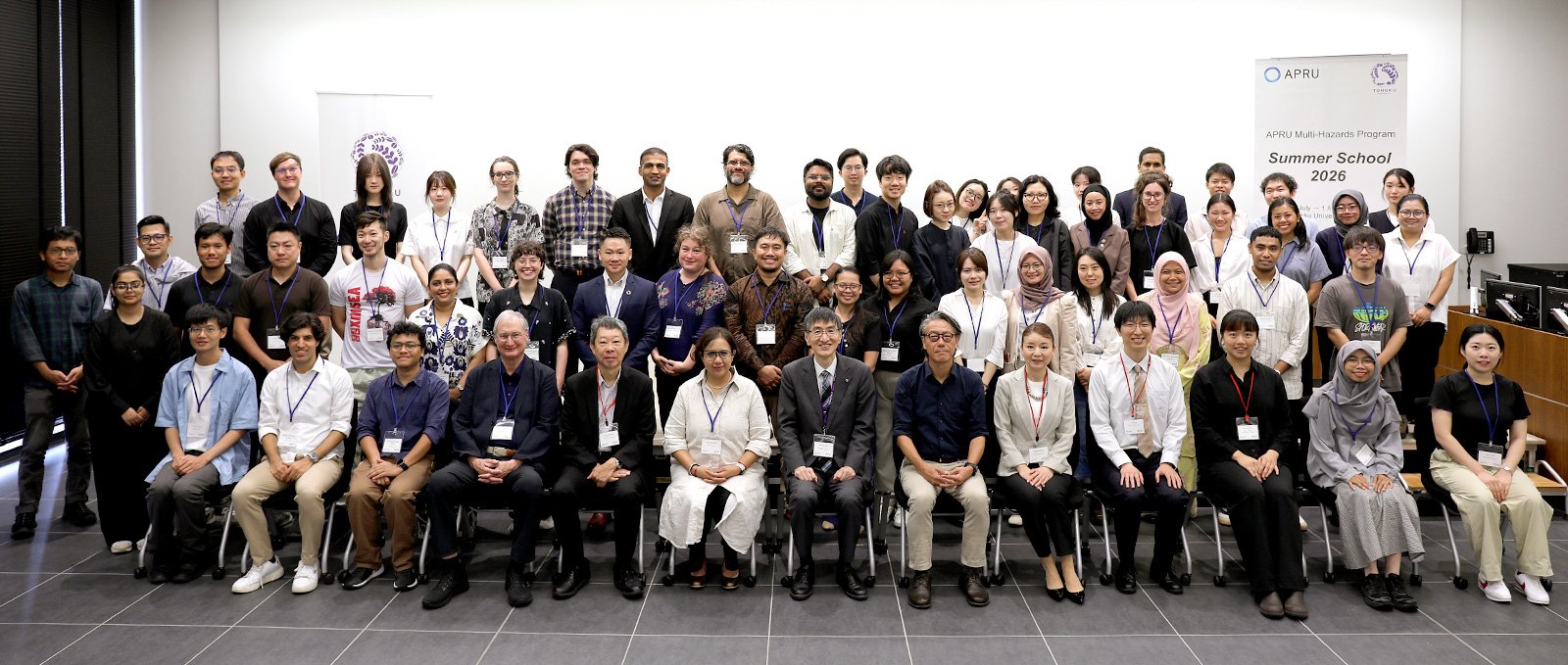
Tohoku University's International Research Institute of Disaster Science (IRIDeS) hosted the 2026 APRU Multi-Hazards Summer School from July 29 to August 1, welcoming some 50 participants from 17 countries and territories - the largest cohort in the programme's history.
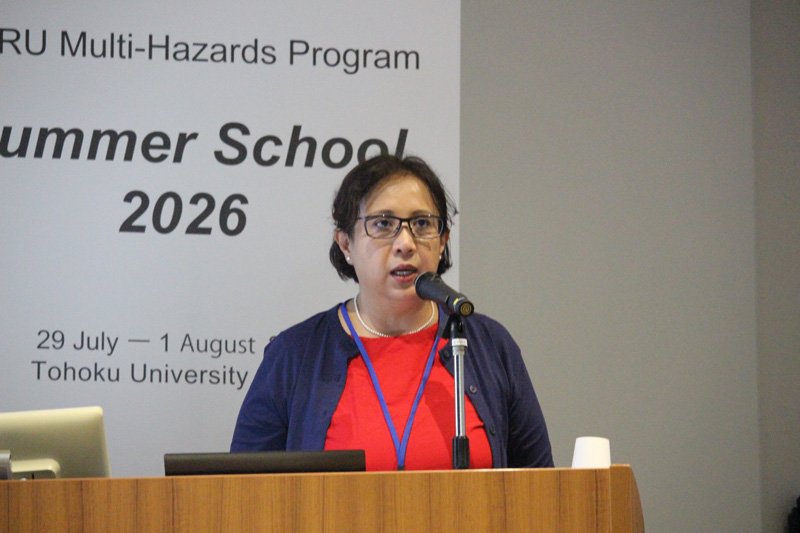
In her opening address, APRU Senior Director of Programmes Adriana Rojas set the tone for the week by emphasising the shared nature of disaster risk across national boundaries. Drawing on her own experiences in Mexico - a country that is no stranger to earthquakes, floods and volcanic eruptions - she stressed that international collaboration is not merely desirable but essential. "Our countries have learnt that disasters do not respect borders," she said. "While hazards may differ in location and scale, the challenges of protecting lives, reducing vulnerability and building resilience are shared by all nations."
The theme of this year's summer school, she noted, served as both an aspiration and a responsibility: "Scientific knowledge achieves its greatest value when it reaches communities, supports action and ultimately saves lives."
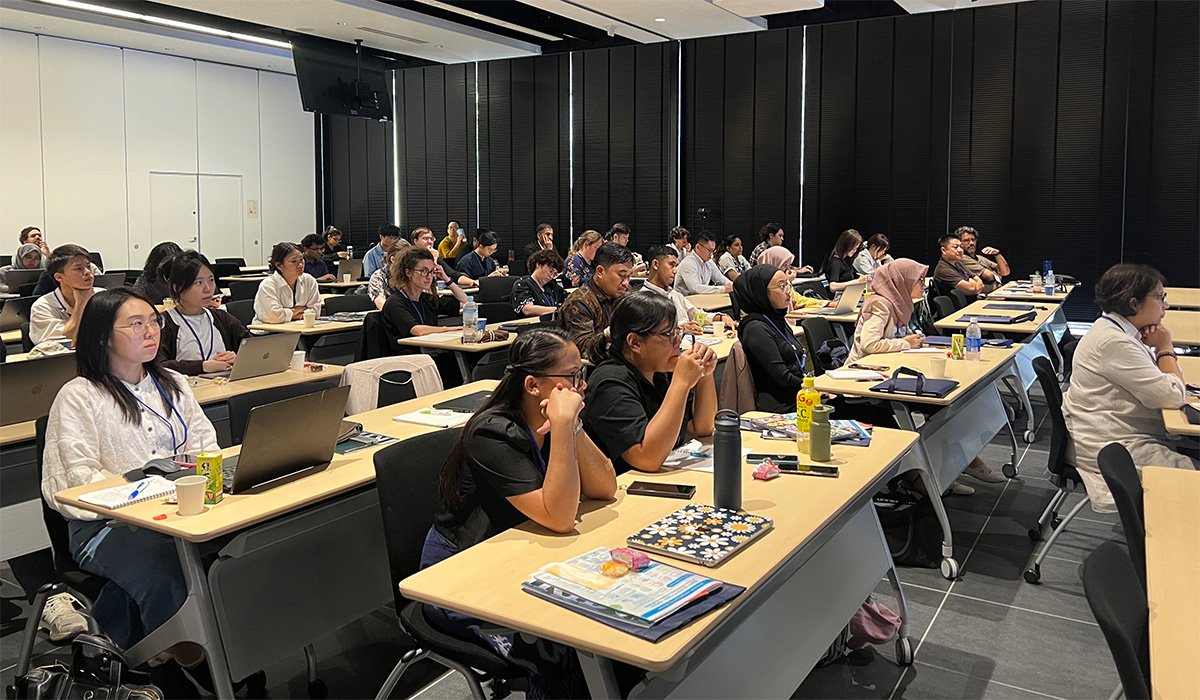
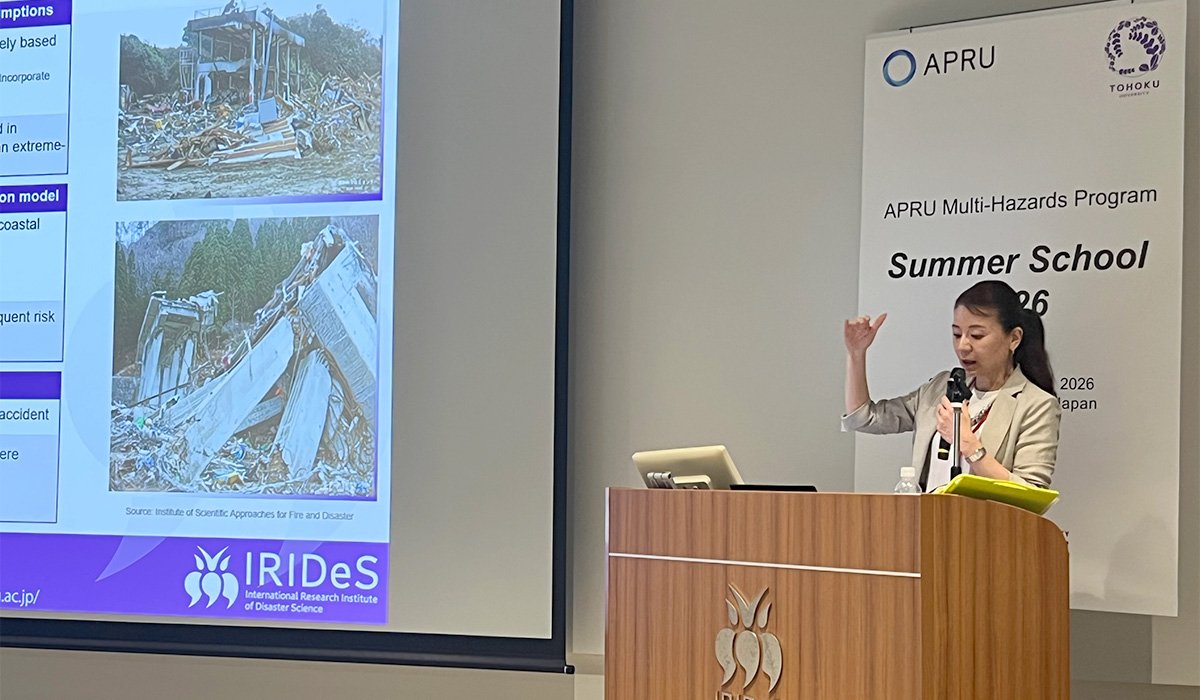
Over the first three days, participants attended lectures addressing disaster mitigation from a range of disciplinary perspectives, including urban planning, public health and disaster management. For many, the most valuable aspect was the breadth of viewpoints on offer.
"What stood out was learning about the different ways of mitigating risk in collaboration with the community, and it was especially interesting to hear the perspectives of NGOs and local governments," said Dida Dijkers, a risk management researcher from the Netherlands.
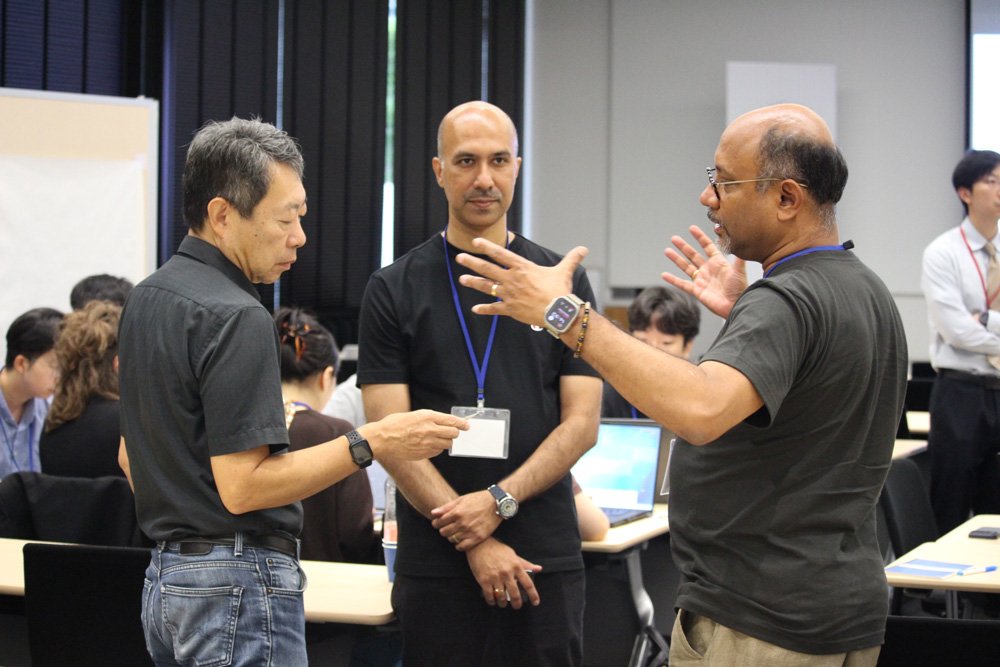
Fadhlin Binti Abd Hamid, a DrPH candidate in public health at the University of Malaya, agreed. "Interacting with people outside the medical field - with different backgrounds and diverse experiences - will definitely help improve my own research."
Professor Rajib Shaw of Keio University and Dr Ranit Chatterjee of RIKA India also led sessions on the growing role of artificial intelligence and big data in managing complex risk scenarios.
"The importance of AI and big data in disaster risk reduction is growing rapidly, yet many researchers and practitioners are still uncertain about how these technologies can be applied," said Professor Takako Izumi, Director of the APRU Multi-Hazards Programme. "One of our goals here is to provide participants with a basic understanding together with practical examples."
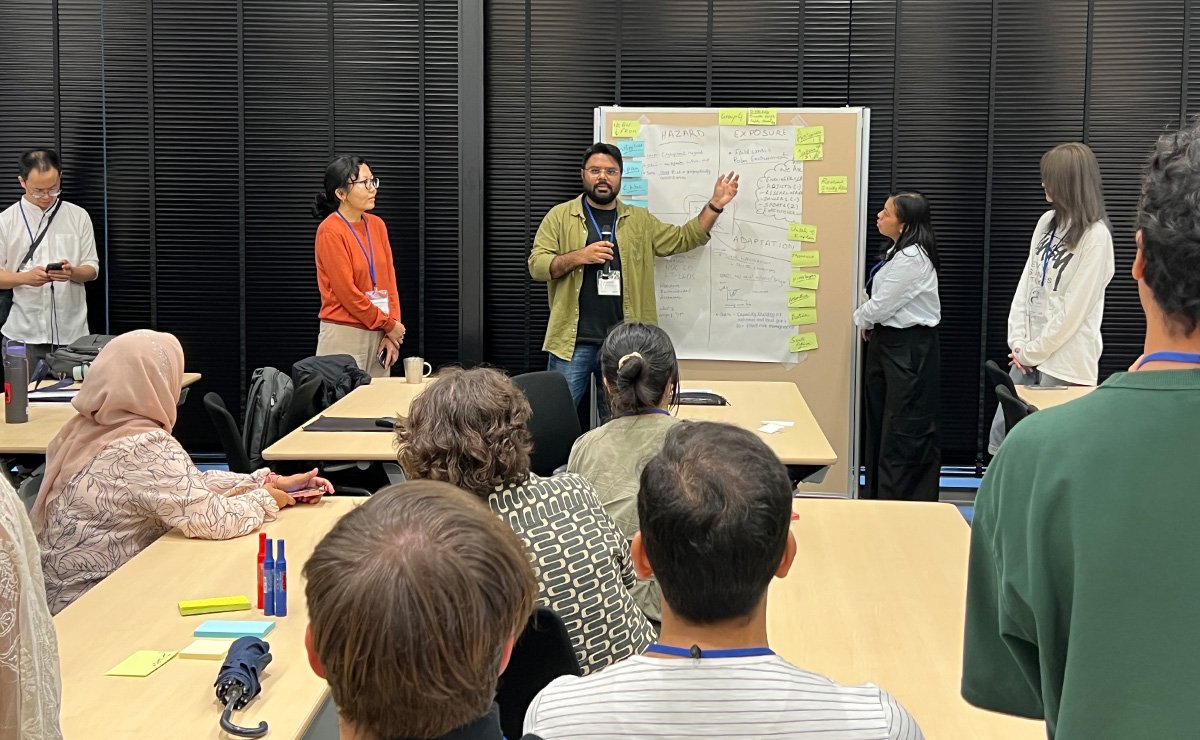
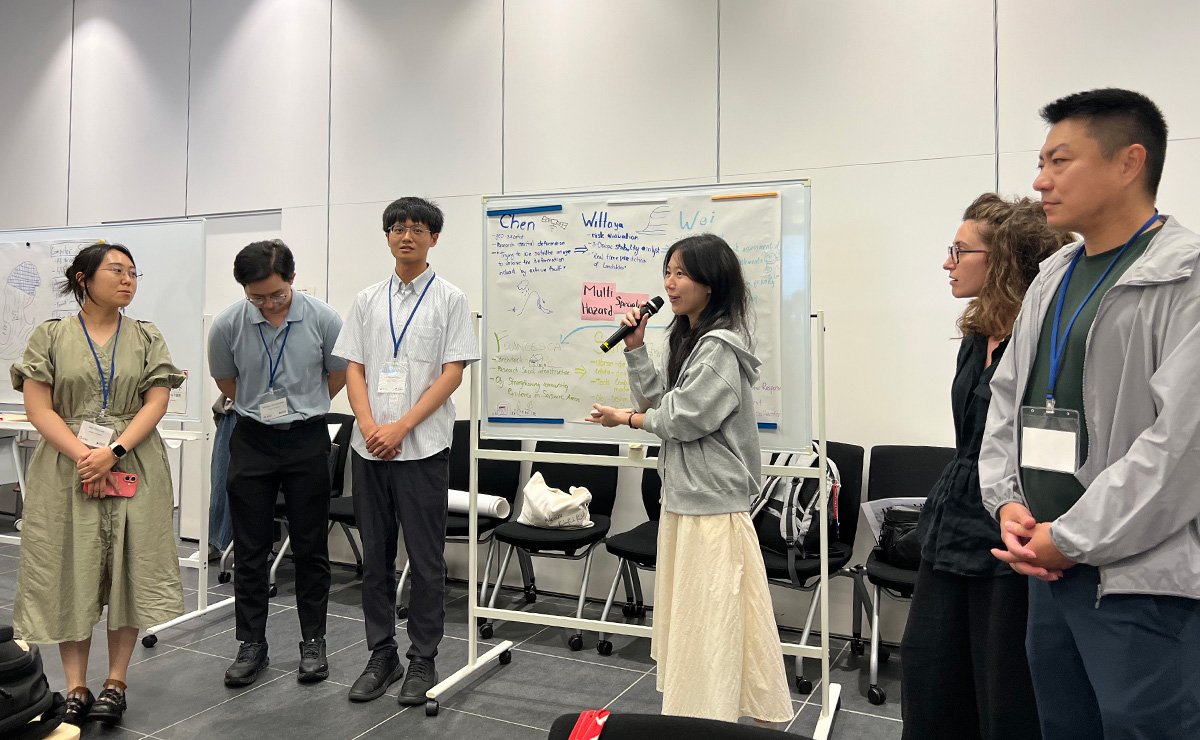
Group work sessions gave participants the opportunity to exchange knowledge across disciplines and national contexts: the first invited them to present their own research to peers from contrasting academic and professional backgrounds; the second asked them to design a prototype AI-based solution to a real-world disaster risk challenge, taking technical, human and ethical constraints into account.
The interdisciplinary approach resonated strongly with participants. "In India, there is a need for a stronger and more interdisciplinary approach to disaster education," said Sanjay Saifi, a disaster risk communication researcher at IIT Bombay. "These days we are seeing disasters coming in clusters - flooding with landslides, earthquakes with tsunamis, it's all connected. That's why the interdisciplinary message of this programme is so important."
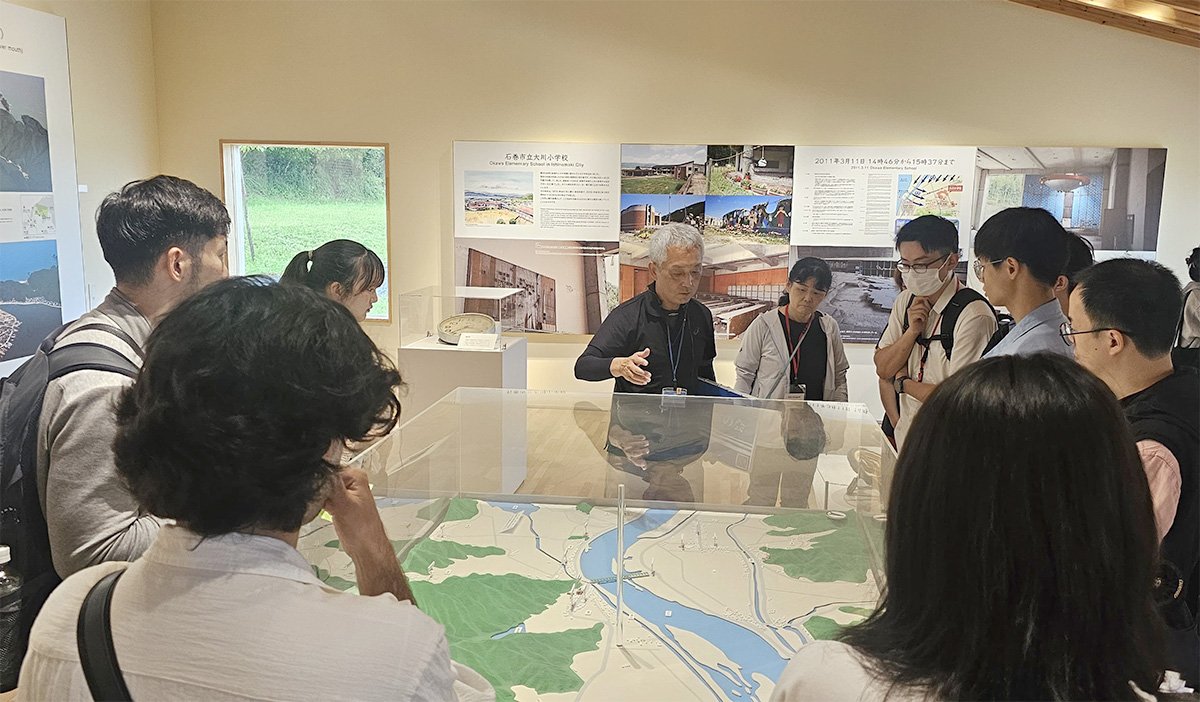
Running through the entire curriculum were the lessons learnt from the 2011 Great East Japan Earthquake, which remains central to IRIDeS's work and continues to shape disaster science globally. Rojas described Sendai and the surrounding Tōhoku region as "a living laboratory of resilience, recovery and innovation," paying tribute to communities that "demonstrated extraordinary strength in rebuilding while generating new knowledge that benefits the world."
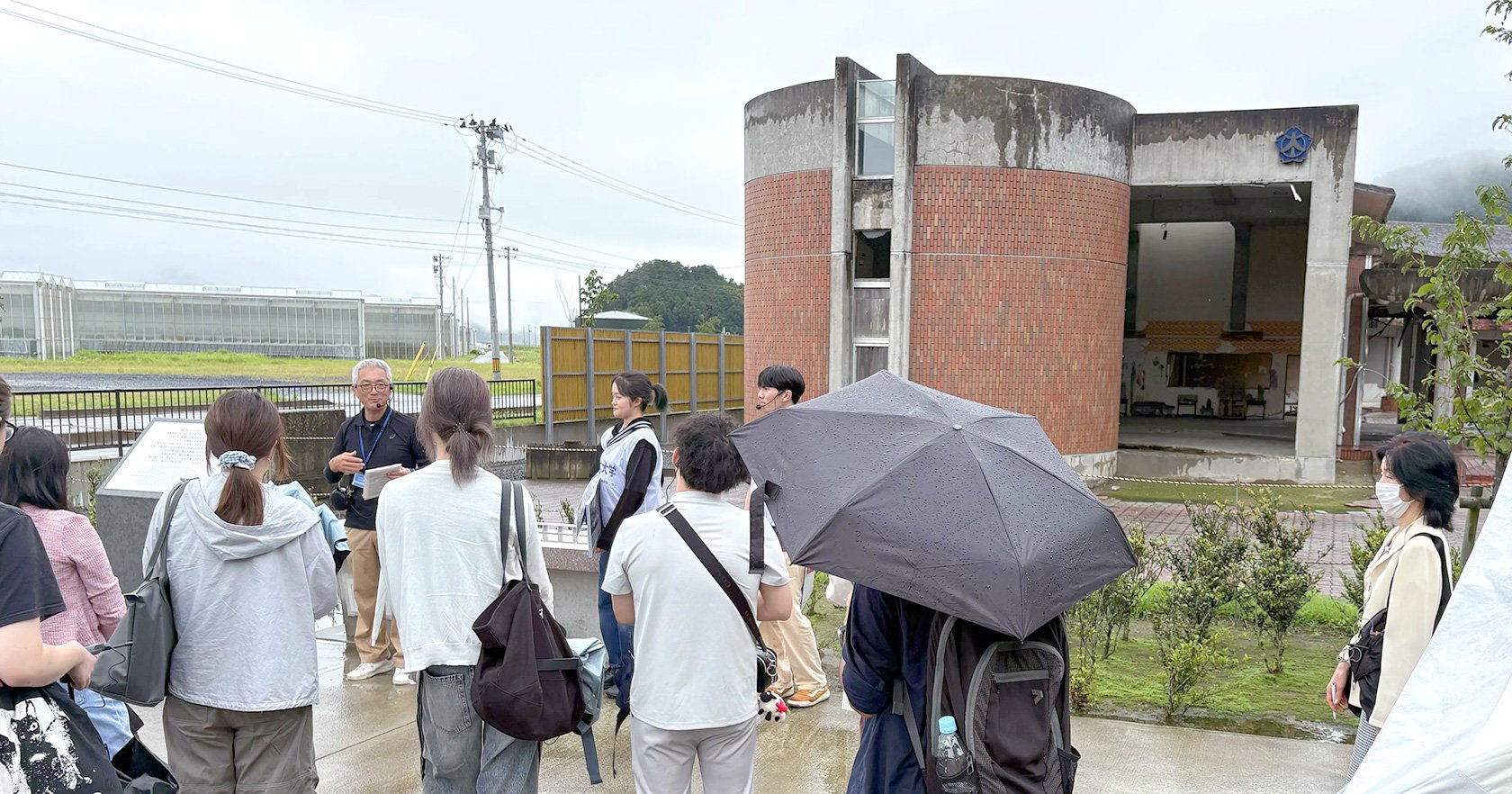
That human dimension was felt most powerfully during the field trip to the coastal towns of Onagawa and Ishinomaki on the last day.
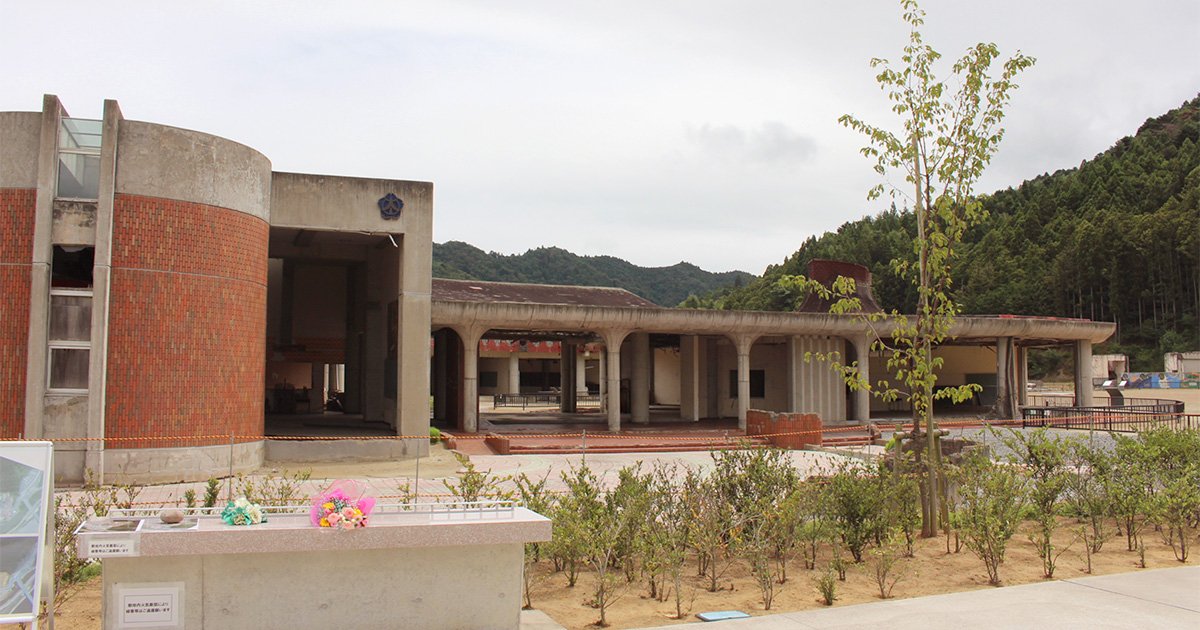
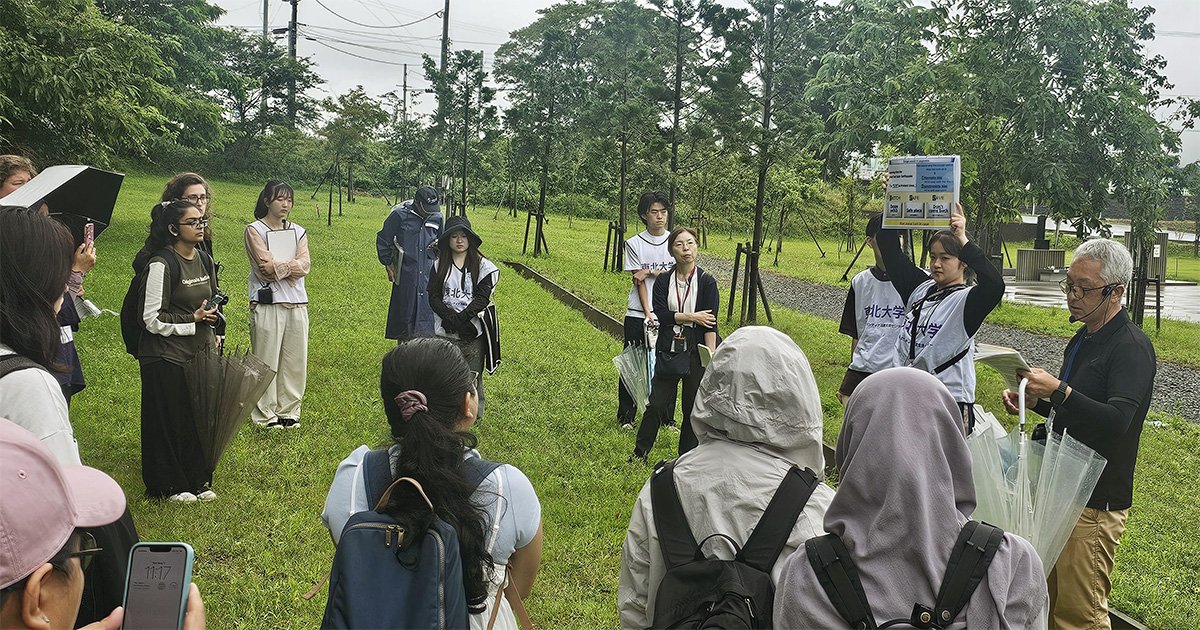
At the ruins of Okawa Elementary School, a volunteer guide shared his personal account of the disaster and the sequence of decisions that led to the deaths of more than 70 pupils and staff. "His account was particularly moving," said Izumi, "because he had lost his own daughter in the disaster."
The Multi-Hazards Programme was established in 2013 by the Association of Pacific Rim Universities and Tohoku University. IRIDeS has hosted the programme's secretariat since its inception.
Contact:
Takako Izumi
Director, APRU Multi-Hazards Programme
Professor, International Research Institute of Disaster Science (IRIDeS)
Email: takako.izumi.e6 grp.tohoku.ac.jp