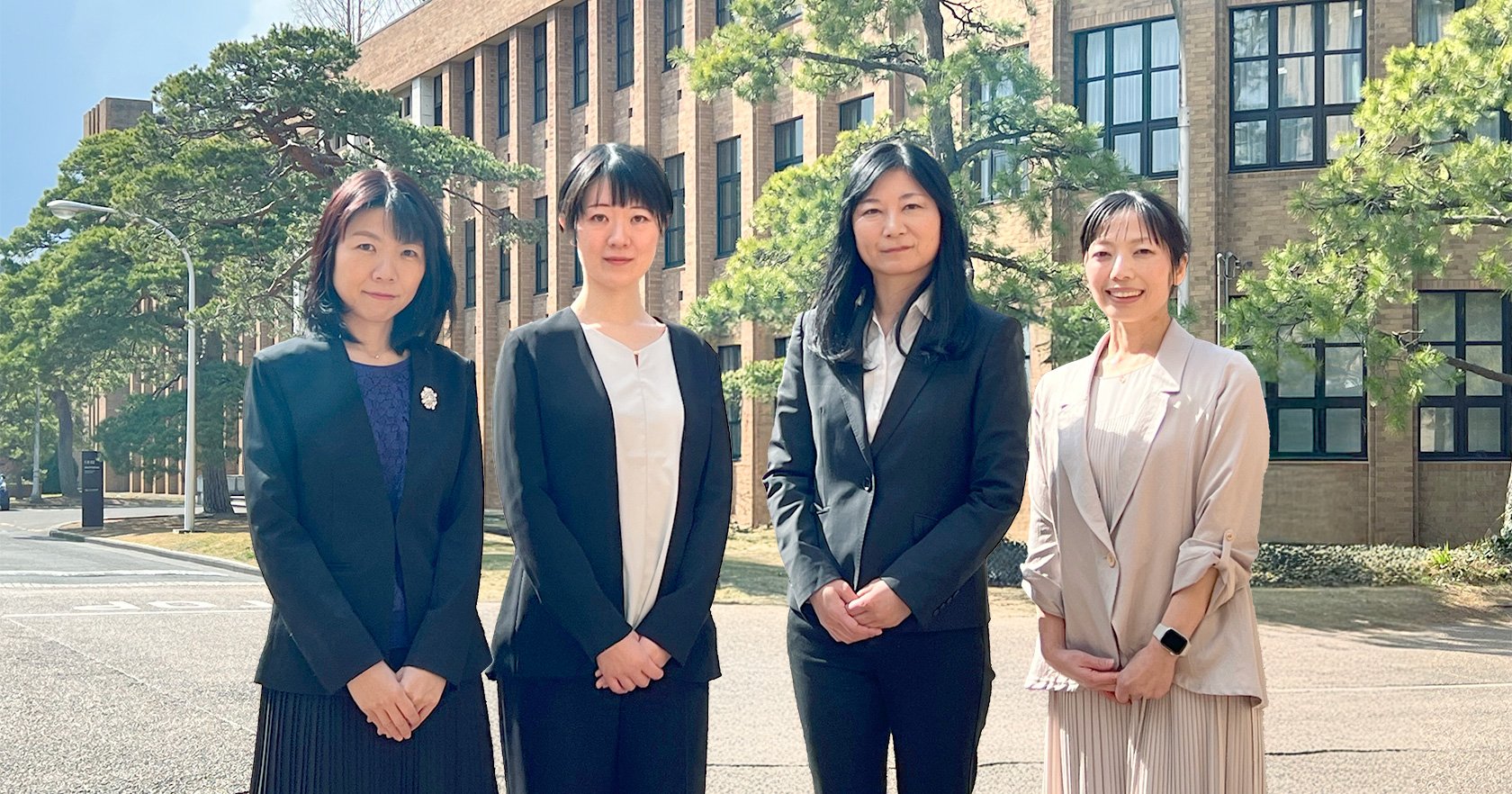
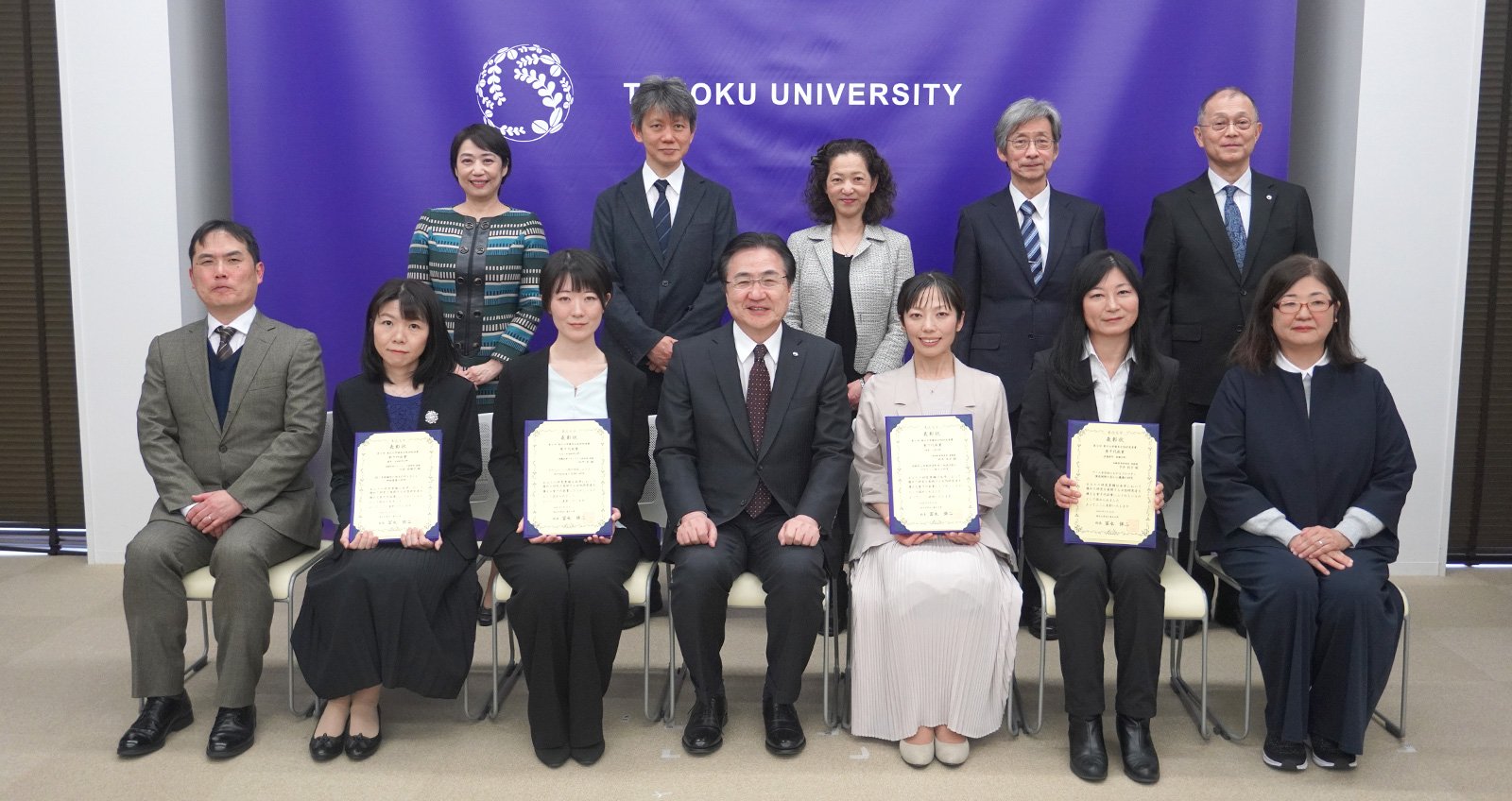
Four distinguished female researchers were honoured with the 2026 Murasaki Sendai Hagi Award at a ceremony held on March 10.
The award - which aims to promote diversity, equity and inclusion across the university - was presented by President Teiji Tominaga in recognition of the recipients' outstanding research achievements.
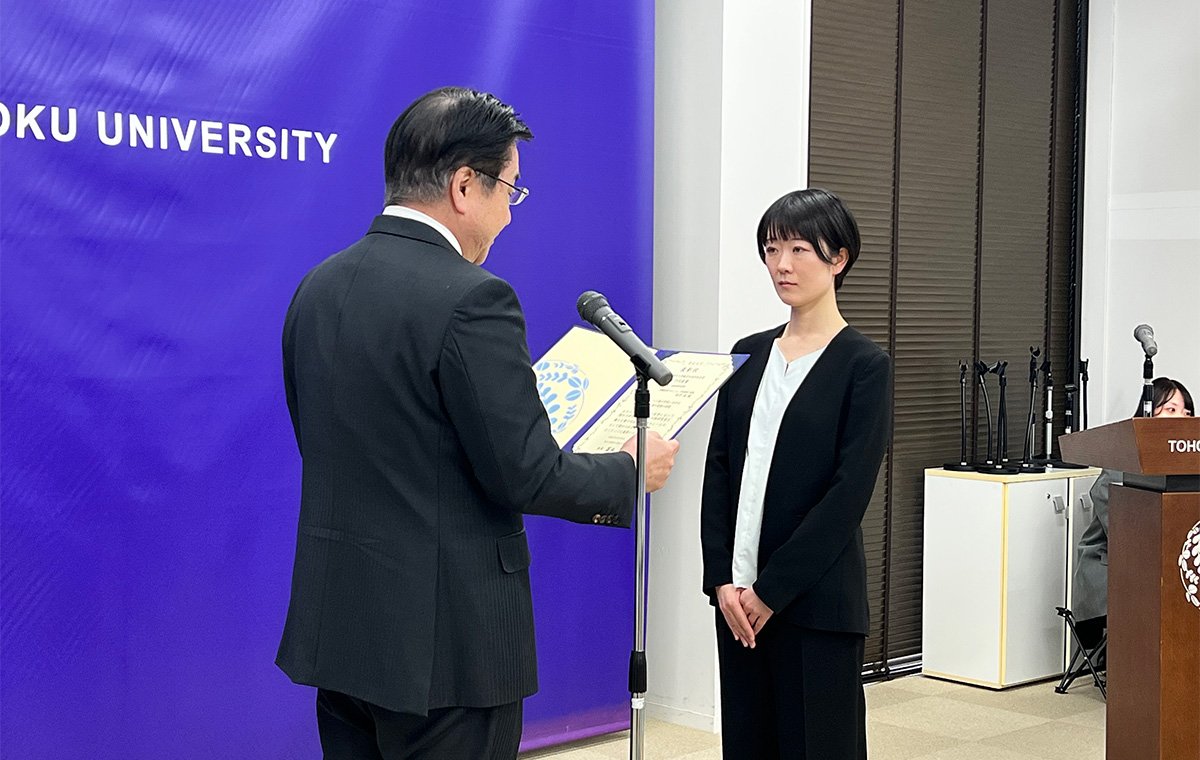
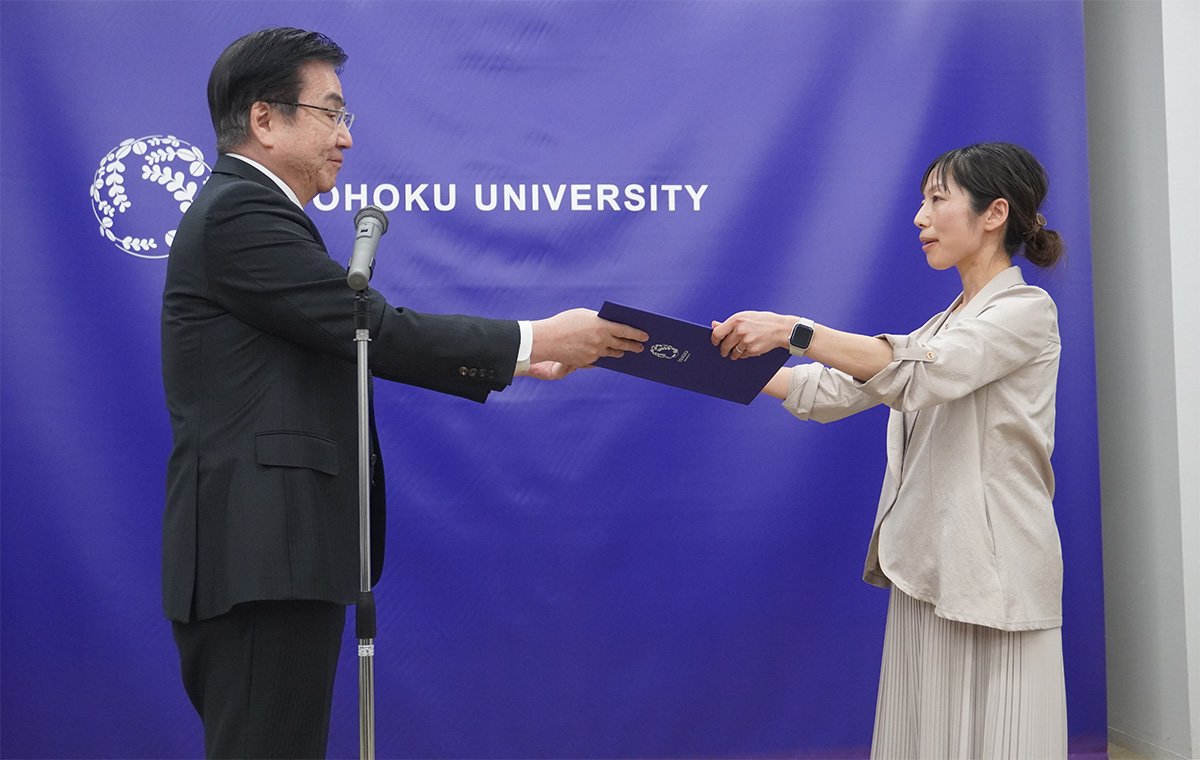
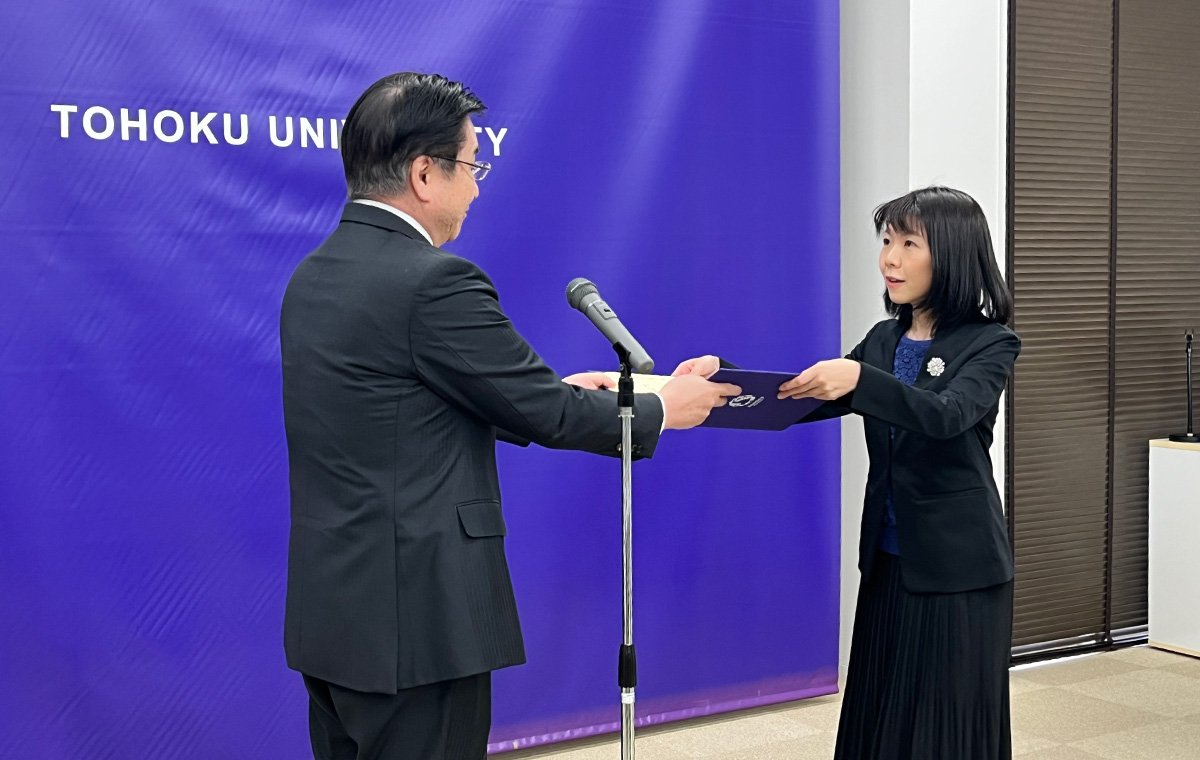
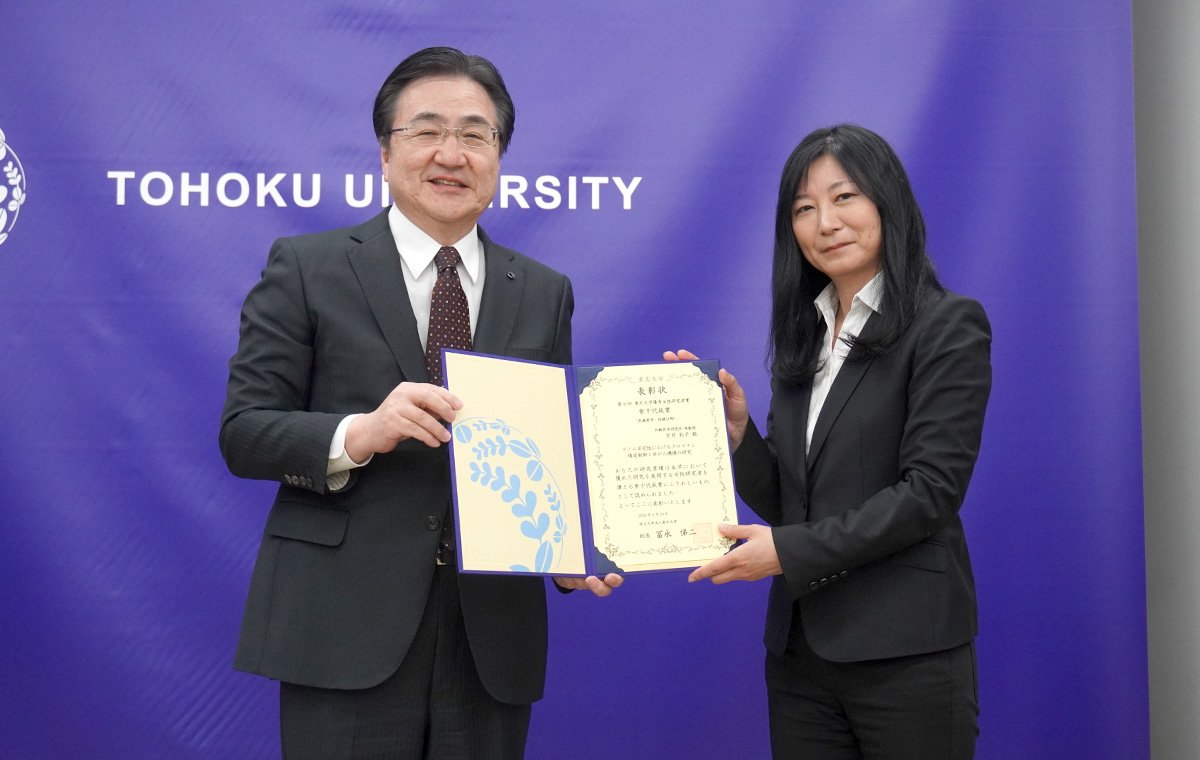
In his congratulatory address, Tominaga noted that some 30 researchers have so far received the award, and many have gone on to even greater accomplishments. "I hope you will continue to soar to greater heights on the global stage as leaders in your fields and as role models for the next generation of female researchers," he said.
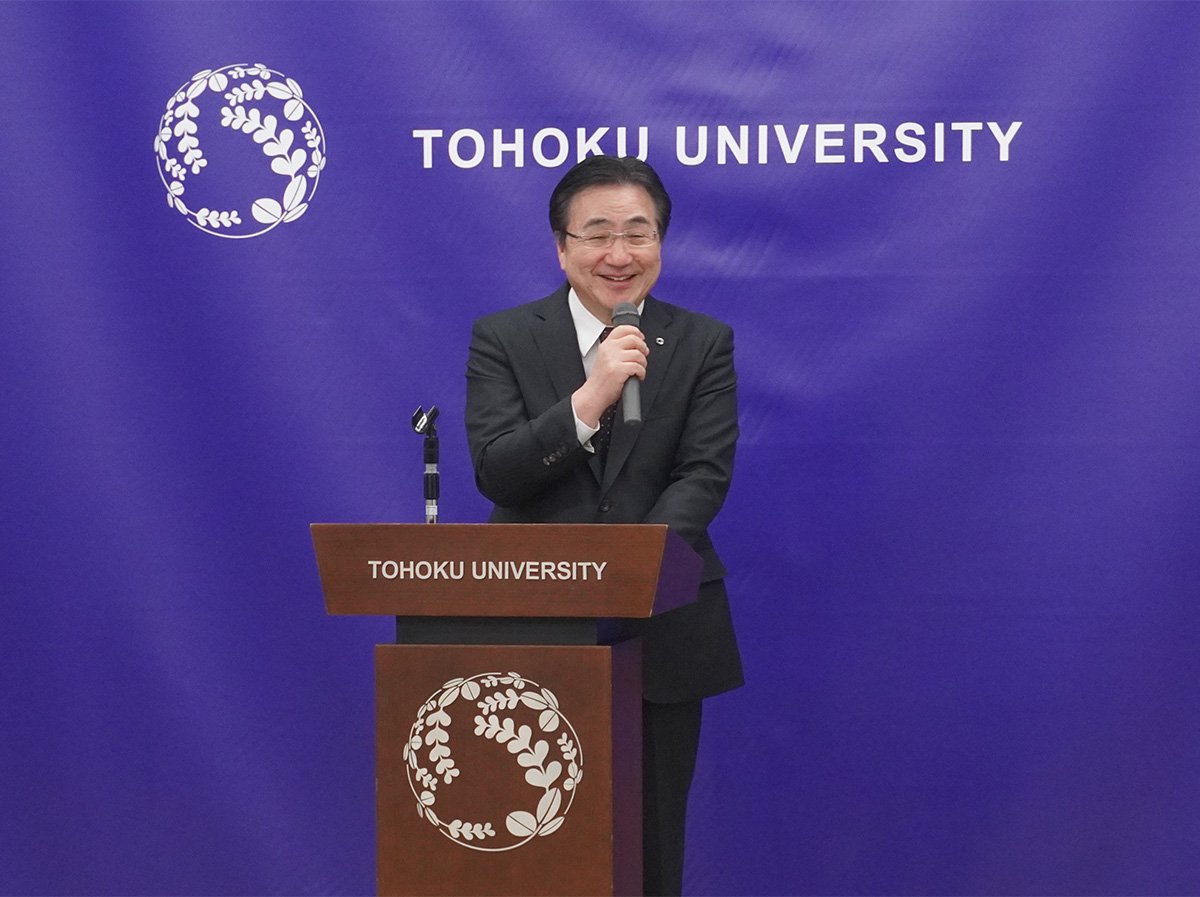
He also emphasized Tohoku University's commitment to diversity and gender equality as a University for International Research Excellence. "We must steadily increase the number of female students, researchers and faculty members, especially at the senior level," he said. "One of our goals is to create a 'Campus for Aspiring Minds,' an environment that attracts the best researchers from around the world. To achieve this, we will continue working collectively to ensure that female researchers here can maximize their potential and pursue further advancement."
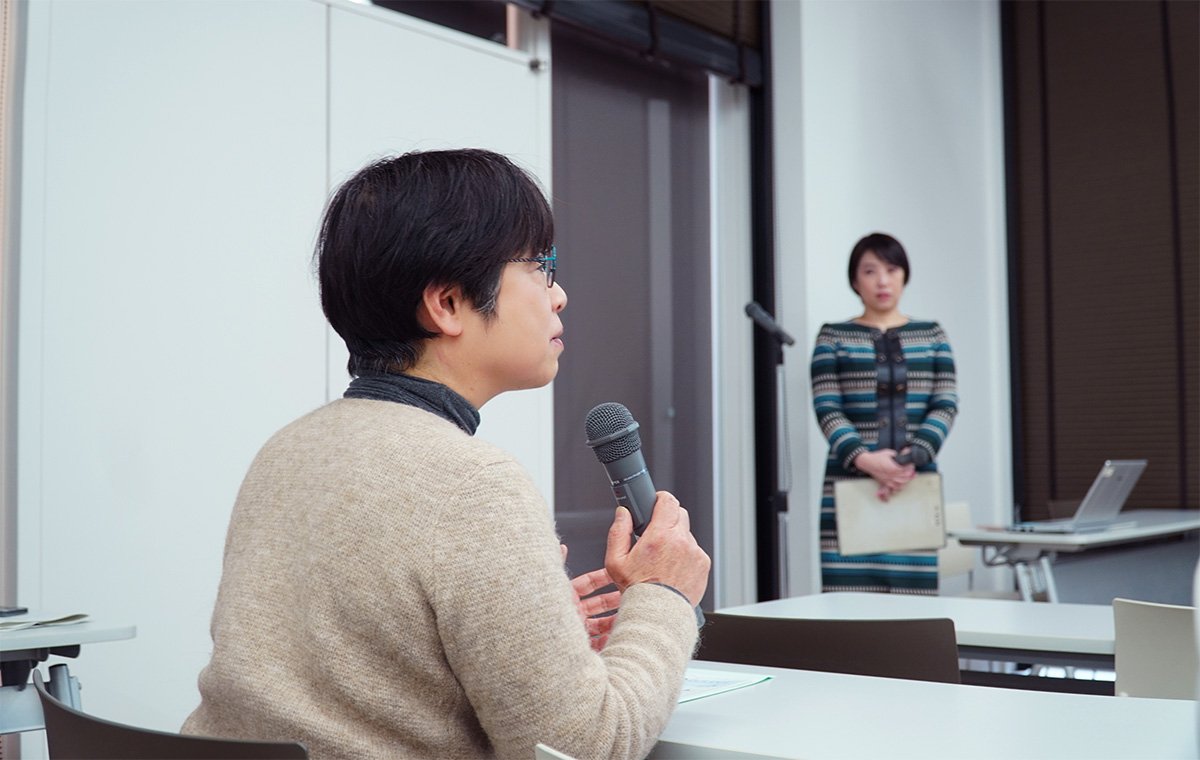
Following the award presentation, each recipient outlined her research in a short lecture.
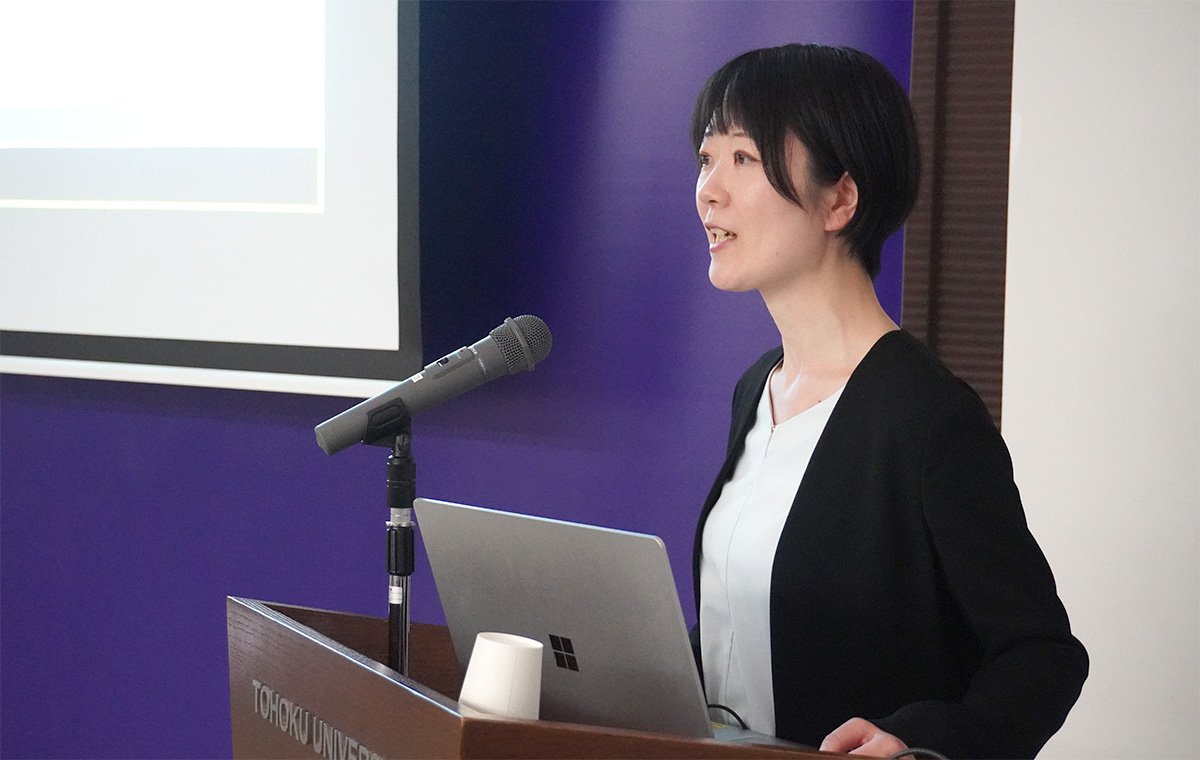
Izumi Matsudaira (Assistant Professor, Frontier Research Institute for Interdisciplinary Sciences) presented findings from MRI analyses showing that brain structure similarities between parents and offsprings differ by biological sex. Moving beyond the traditional focus on mother-offspring pairs, her study incorporated fathers to reveal that an offspring's brain can be divided into "mother-like, father-like, parents-like and non-similar regions." She also identified sex-related patterns in these distributions. Her work opens new avenues for understanding "what makes a person who they are" through the biological basis of personality.
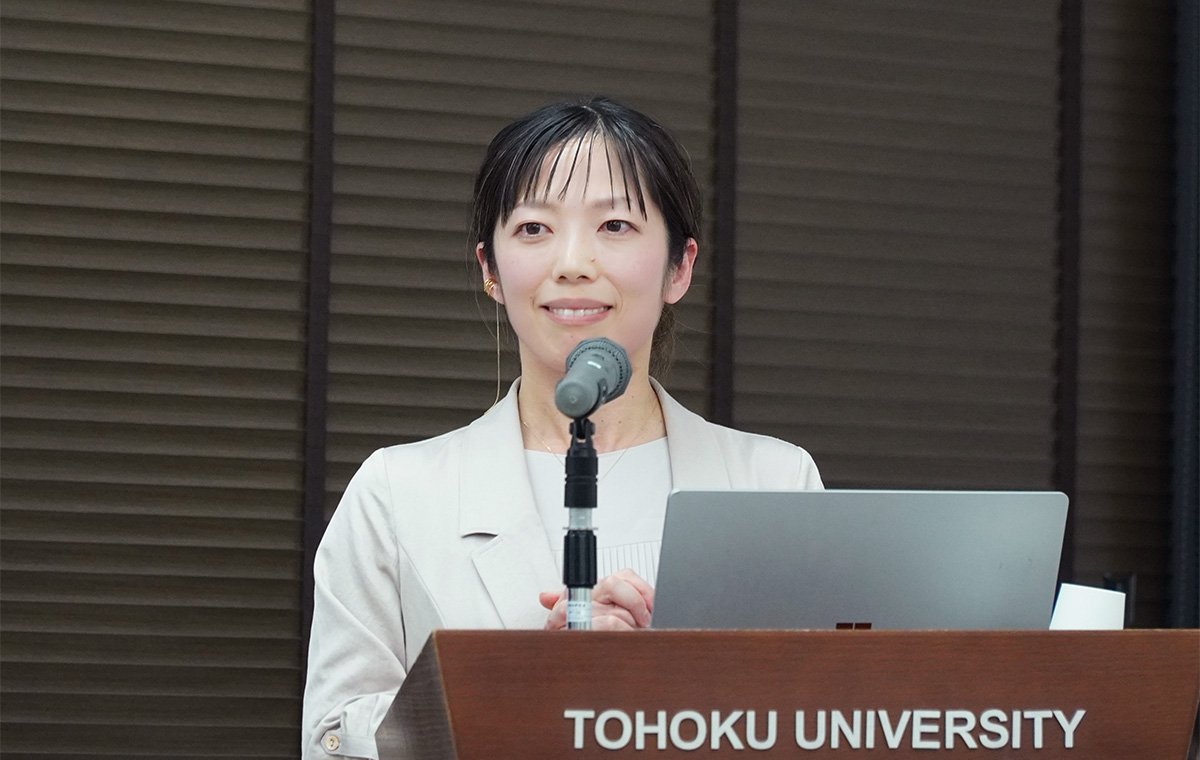
Anna Suzuki (Associate Professor, Institute of Fluid Science) addressed decision-making in geothermal energy development under conditions of deep uncertainty. "Traditionally, researchers have attempted to build increasingly detailed simulations," she noted, but her approach instead asks "what structural information is truly essential" for predicting underground fluid flow. By integrating mathematical modeling, experiments, and uncertainty analysis, Suzuki identifies the key features needed for reliable and sustainable energy development, stressing that such decisions must be made despite limited visibility of subsurface conditions.
Nahoko Kuga (Assistant Professor, Frontier Research Institute for Interdisciplinary Sciences) explored how brain-body interactions shape emotion and memory. She developed a system for "simultaneous recording of physiological activity in the brain and peripheral organs," demonstrating that vagus nerve activity is closely tied to brain function and behavior, including stress and social responses. Her research highlights the importance of brain-body communication and offers new insights into psychiatric disorders.
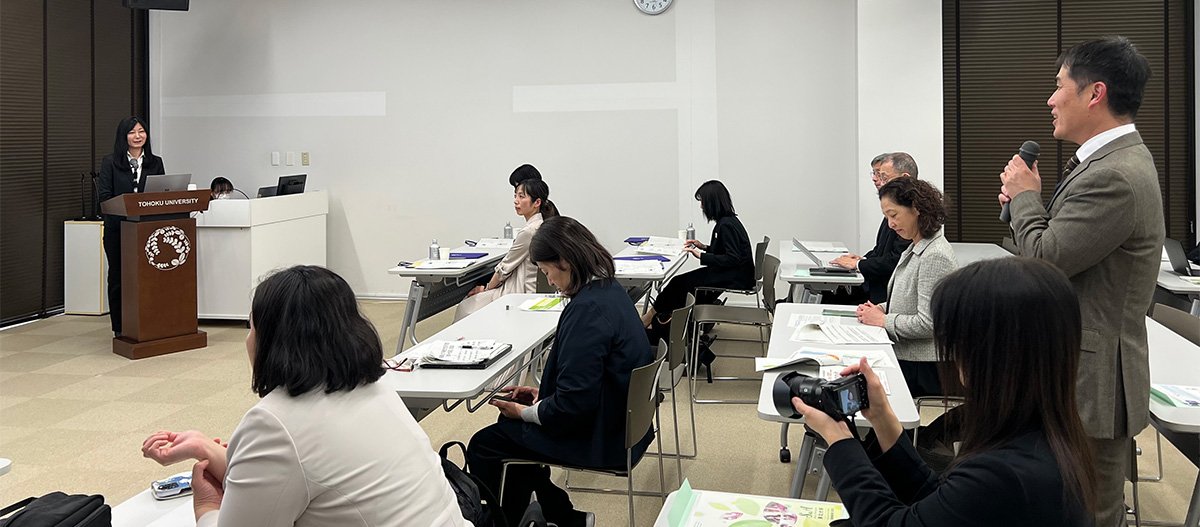
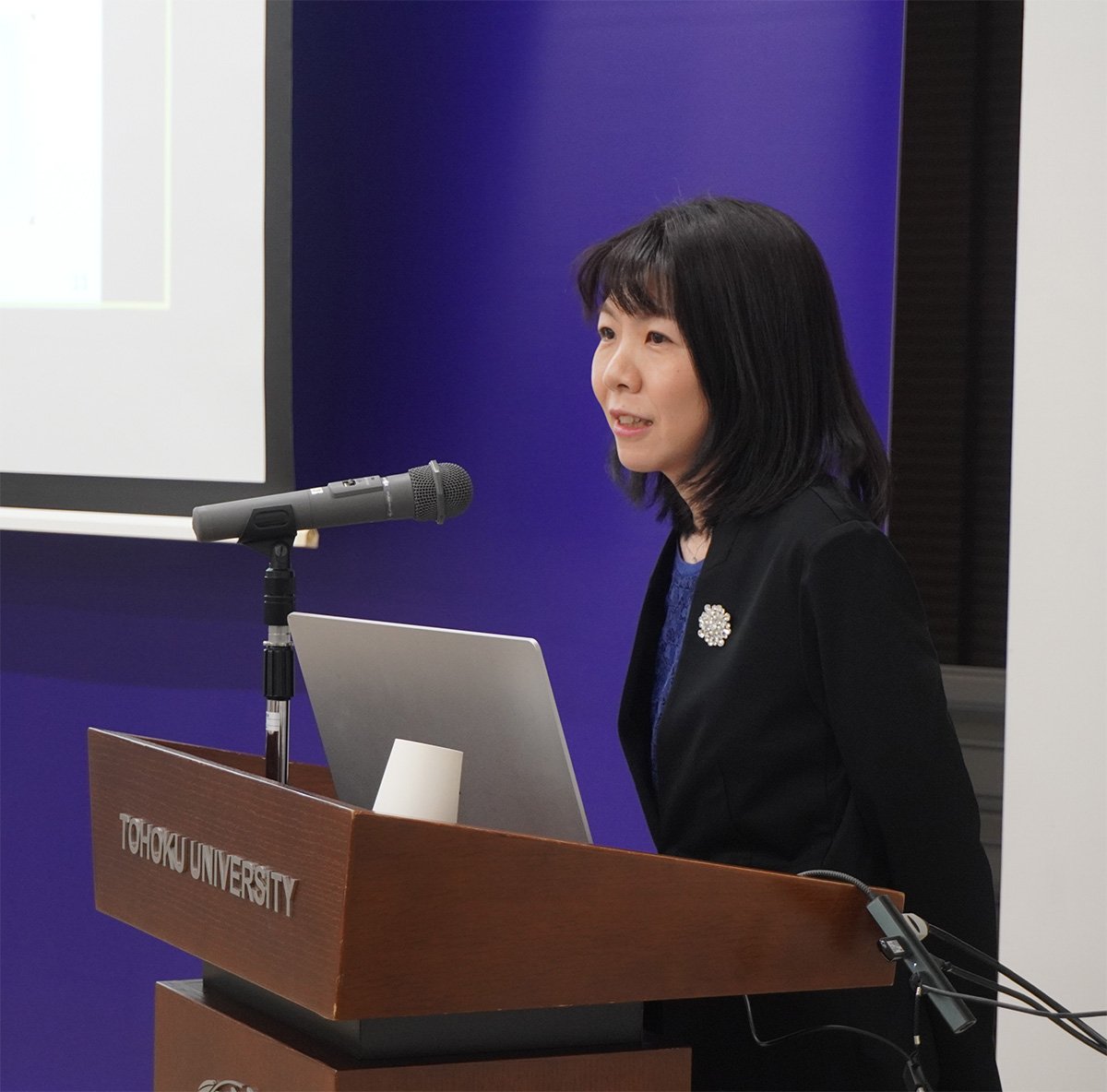
The lecture of Ayako Ui (Associate Professor, Institute of Development, Aging and Cancer) focused on genome stability and its links to aging and cancer. She studies chromatin dynamics, which serves as a vital shield for our genome. By uncovering these molecular mechanisms, Ui aims to identify hidden vulnerabilities in cancer cells, with the goal of enabling more precise, targeted therapies.
Established in 2017, the Murasaki Sendai Hagi Award is presented annually in March in conjunction with International Women's Day. Recipients are typically selected from four broad fields: humanities and social sciences, science and engineering, agriculture and life sciences, and dentistry, pharmacy and health sciences.
Link:
- DEI Centre: https://dei.tohoku.ac.jp/
Contact:
Tohoku University Human Resources Planning Section
Tel: 022-217-6353
Email: dei grp.tohoku.ac.jp